Exxon Valdez: The Night Prince William Sound Changed
Alaska
The tanker left Valdez at nine twenty-one in the evening on March twenty-third, nineteen eighty-nine, loaded with fifty-three million gallons of North Slope crude oil. Captain Joseph Hazelwood had been drinking. He handed the bridge to Third Mate Gregory Cousins, who was not certified to navigate that stretch of Prince William Sound, and retired to his cabin.
At twelve oh four in the morning on March twenty-fourth, the Exxon Valdez struck Bligh Reef.
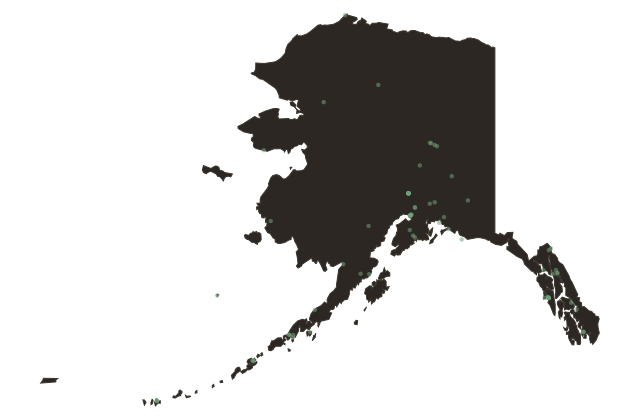
Ten point eight million gallons of crude oil entered the water. Over the following days and weeks, it spread across one thousand three hundred miles of coastline, coating beaches from the sound south and west along the Alaska Peninsula. An estimated two hundred fifty thousand seabirds died, along with two thousand eight hundred sea otters, three hundred harbor seals, two hundred fifty bald eagles, and twenty-two killer whales. The figures represent what could be counted. The actual toll was higher.
The herring fishery in Prince William Sound, which had supported Alaska Native communities and commercial fishermen for generations, collapsed within years and has never recovered.
Captain Hazelwood was tried for criminal mischief and acquitted; he was convicted of misdemeanor negligence. Exxon Corporation initially agreed to pay five billion dollars in punitive damages in a civil judgment, a figure that reflected something close to the actual scale of the harm. The case went to the United States Supreme Court. In two thousand eight, the Court reduced the punitive award to five hundred seven million dollars, ruling that the five-billion-dollar judgment was disproportionate.
The five hundred seven million dollars was divided among thirty-two thousand plaintiffs. Many of the commercial fishermen who received checks had already lost their boats, their gear, and their livelihoods in the years the case spent in court.
The reef is still called Bligh Reef. The sound that surrounds it is still Prince William Sound. From above, on a clear day, the water looks blue.