Inupiat Whaling: The Last Hunt on American Ice
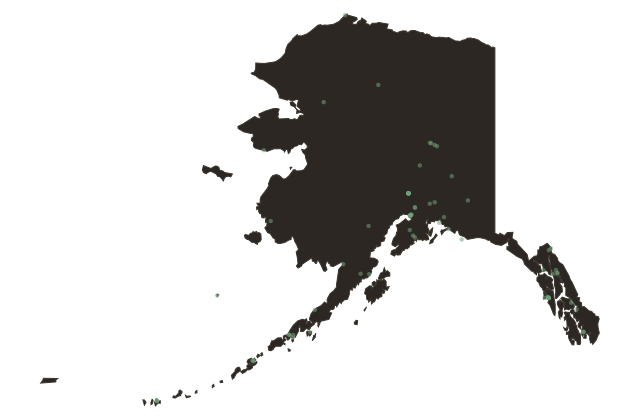
Alaska
The Inupiat of Alaska's North Slope have hunted bowhead whales from the sea ice for at least two thousand years. The bowhead can live more than two hundred years and grow to seventy-five tons. It is the largest animal in the Arctic, and it is, in Inupiat life, more than food.
The hunt has a captain, an umialik, who earns the role through years of preparation and holds it through generosity: the umialik who does not share the whale does not lead the next hunt. The meat is distributed through the community by protocols that encode social obligation, spiritual debt, and the logic of survival in a climate that offers no agricultural alternative. The songs sung on the ice while the crew waits are specific to this hunt, distinct from other Inupiat song traditions, and they are old.
Federal law protects Inupiat whaling rights because the right was recognized as pre-existing American sovereignty. The Inupiat, along with Siberian Yupik communities on Saint Lawrence Island, are the Indigenous people in the United States permitted to hunt the bowhead, under an aboriginal subsistence allowance set through an international whaling treaty rather than a treaty with the United States itself. The annual harvest quota is negotiated by the Alaska Eskimo Whaling Commission with the International Whaling Commission, a bureaucratic arrangement that the Inupiat navigate with the pragmatism of people who have been navigating bureaucratic arrangements since the eighteen eighties and have not stopped whaling.
Climate change is reducing the sea ice from which the hunt is traditionally launched. In some years, the ice edge has moved so far offshore that reaching the whales requires travel beyond what was customary. The platform the hunt requires is becoming less reliable.
The primary scholarship on Inupiat whaling in English draws heavily on North Slope Borough documentation and Alaska Native Heritage Center oral histories. The depth of the spiritual and governance dimensions of the hunt is better understood through Inupiat-authored sources than through outside accounts, and the Inupiat have been clear that the outside account is not the authoritative one.