The Statehood Fight: A Territory Learns to Wait
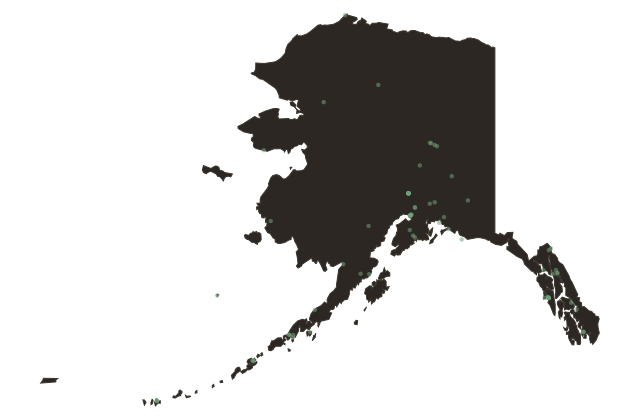
Alaska
Alaska had been asking for statehood since nineteen sixteen. Nobody in Washington was listening.
The territory filed its first formal statehood petition that year, ten years after the Organic Act of nineteen twelve had given it a territorial legislature. For the next forty years, statehood bills were introduced in Congress, debated, and died. The objections were varied and sometimes contradictory. Some opponents argued that Alaska was too remote and too sparsely populated to function as a state. Some worried that adding Alaska would shift the balance of power in the Senate. Southern Democrats, who controlled key committee chairmanships, were reluctant to add any new states that might complicate the racial and political arrangements of the existing union. Others simply did not believe that a territory producing fish, furs, and gold needed the same political status as Ohio.
The territorial delegate who did the most to break through this indifference was Bob Bartlett, who served as Alaska's non-voting delegate to Congress from nineteen forty-five to nineteen fifty-nine. Bartlett was not a dramatic figure. He was methodical, persistent, and willing to spend decades on a single goal. He built relationships across party lines and kept the statehood question before a Congress that would rather have been talking about something else.
The effort took on new energy after World War Two. The military importance of Alaska during the war had demonstrated that the territory was strategically vital to the United States, not a peripheral possession. The Cold War made that argument stronger. It was difficult to claim that a territory standing on the front line of Soviet proximity was not mature enough for self-government.
President Eisenhower signed the Alaska Statehood Act on July seventh, nineteen fifty-eight, and Alaska formally became the forty-ninth state on January third, nineteen fifty-nine. The enabling legislation had passed the Senate sixty-four votes to twenty. Bob Bartlett became one of Alaska's first two United States senators and served until his death in nineteen sixty-eight. The new state did not have a completed road connection to the rest of the country on the day it was admitted. The Alaska Highway, built during World War Two, provided an overland route through Canada, but it was unpaved for most of its length and impassable in spring.
The state arrived ready or not.