Johnny Cash: Dyess Colony and the New Deal Delta
Arkansas
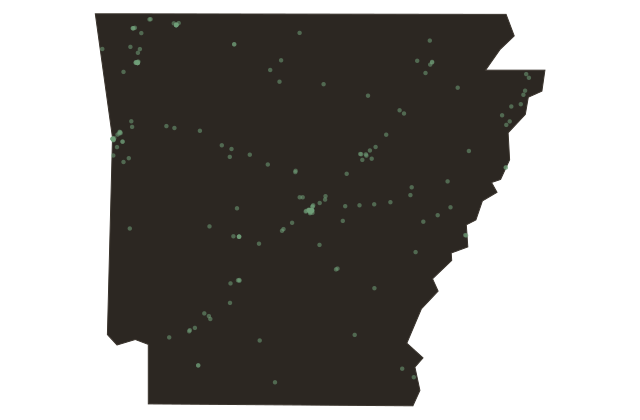
In nineteen thirty-four, the Federal Emergency Relief Administration established Dyess Colony in the flat Mississippi Delta lowlands of Mississippi County, Arkansas, as one of hundreds of New Deal resettlement projects designed to relocate impoverished farm families from across the South. The colony assigned each of five hundred families a two-story house, a barn, and twenty acres of cleared delta farmland. The families would repay the federal government out of their cotton earnings over time. It was an experiment in whether the federal government could reverse the collapse of the rural Southern agricultural economy by redistributing land to the people who worked it.
Ray Cash moved his family to Dyess Colony from Kingsland, Arkansas, in nineteen thirty-five. His son John, who had been born three years earlier, grew up picking cotton on the family's twenty acres, walking the flat grid roads of the colony, and listening to the radio gospel and country music that arrived from stations in Memphis and Little Rock. The flatness of the delta and the radio signals that crossed it were both, in different ways, the conditions that made him.
John Cash's older brother Jack was killed in a farm accident in nineteen forty-four, catching his body in a table saw at a mill where he had gone to earn extra money. Jack was fifteen years old. John R. Cash would write about his brother's death for the rest of his career. It was the wound beneath the wound in everything he made.
Cash left Dyess at eighteen, served four years in the Air Force in West Germany, and only after his discharge walked into Sam Phillips's recording studio on Union Avenue with a guitar and almost nothing else. The Dyess Colony house is preserved and open to the public through Arkansas State University. The twenty acres are still there.