Fort Griswold: The Massacre on the Heights
Connecticut
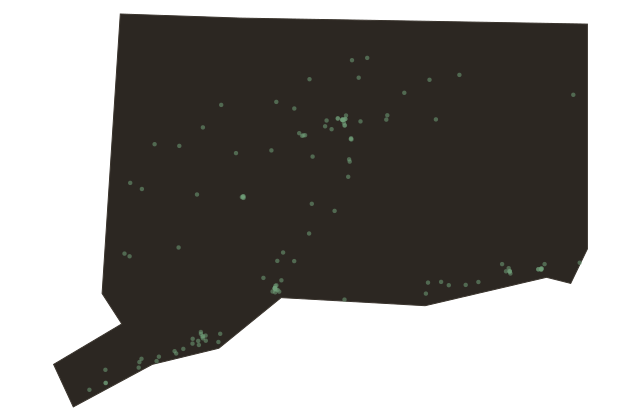
On the morning of September sixth, seventeen eighty-one, the war came to the Connecticut shore in one of its most brutal episodes. The man who brought it was Benedict Arnold, Connecticut's own most famous traitor, by then a British general, leading a raid on his own home-state coast.
Arnold's mission was a diversion. British commander Sir Henry Clinton ordered the raid on New London to pull General Washington's attention away from Lord Cornwallis's army in Virginia, where the decisive showdown of the Revolution was building. Arnold landed roughly fifteen hundred troops and burned most of New London across the Thames River. Then he sent a separate force under Lieutenant Colonel Edmund Eyre to deal with Fort Griswold on the Groton Heights.
Inside the fort, Lieutenant Colonel William Ledyard commanded fewer than one hundred sixty militia, poorly armed and hastily assembled. They fought back hard enough to wound Eyre and kill or injure many of the attacking officers. But the British force outnumbered them by five or six to one, and after forty minutes of fighting the outer walls were breached.
Ledyard ordered the flag lowered and stepped forward to surrender. By American accounts, a British officer asked who commanded the fort. Ledyard answered: I did, sir, but you do now, and offered his sword. The British officer took the sword and ran Ledyard through with it, killing him on the spot.
What followed was a massacre of surrendering and wounded men. Before the surrender only a handful of Americans had been killed. When it was over, eighty-five were dead and sixty more severely wounded. The badly wounded were loaded into a wagon, which the British then allowed to roll down the steep hillside out of control, killing several more.
British accounts do not mention the massacre. American accounts do not forget it. A monument on the heights and the preserved earthworks of Fort Griswold remain here today, the grass covering a ground that witnessed the war at its most pitiless.