Lake Waramaug: A Chief's Fishing Ground
Connecticut
The lake that opens up through these hills carries a name older than any European settlement in this part of Connecticut: Waramaug, which in the Algonquian of the Wyantenock people meant, roughly, the place of good fishing.
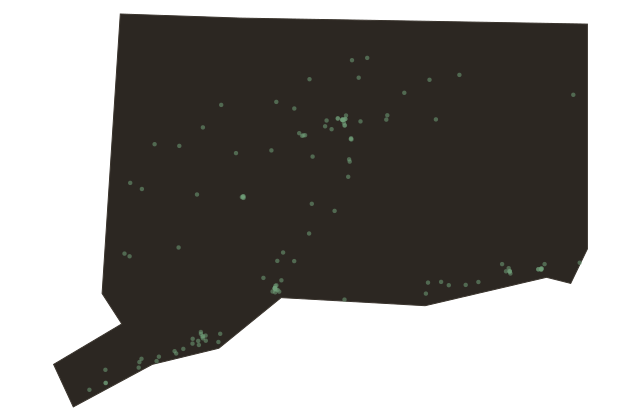
Waramaug was a sachem of the Potatuck, an Algonquian-speaking people who lived along the Housatonic River and its tributaries in what is now northwestern Connecticut and east-central New York. He inherited the leadership of the Potatuck from the sachem Squantz around seventeen twenty-five and held it until his death in seventeen thirty-five. For his people the lake was a winter refuge and a reliable food source. Archaeologists have identified more than ten Native American sites within two miles of the shoreline, evidence of occupation going back thousands of years.
The Wyantenock, like most southern New England tribes, were profoundly disrupted by the epidemics, land sales, and conflicts of the seventeenth century. By the time English settlers reached this valley in the early seventeen hundreds, the population that had sustained communities here for millennia had been reduced to a fraction of its former size. Waramaug himself navigated that compressed and difficult world as a leader of a people in dramatic decline. A monument was erected to him near the gorge northeast of Falls Mountain after his death.
The lake sits in a glacially carved bowl in the Litchfield Hills, fed by springs and streams. The state park on its western shore was established in nineteen twenty, making it one of Connecticut's earliest public preserves. Vineyards now terrace some of the slopes above the water, part of a wine industry that has taken hold in the Litchfield hills over the past generation.
But the name on every map and trail sign here belongs to a Potatuck sachem who died nearly three centuries ago and who knew this water long before it had any name a European would write down.