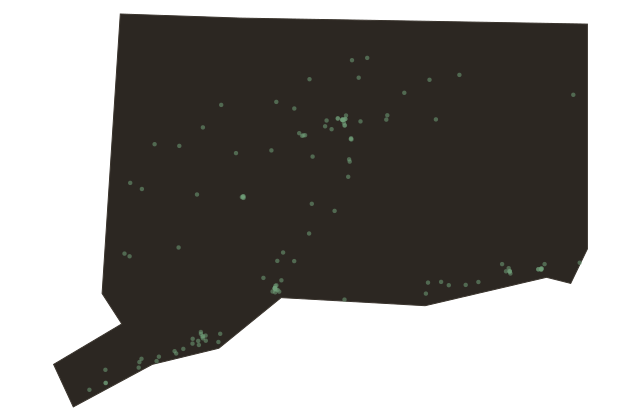
The Mystic Massacre: Sixteen Thirty-Seven
Connecticut
A mile or so from the waterfront village and the whaleship, on a hillside near the Mystic River, the ground holds a darker memory, the site where, on the morning of May twenty-sixth, sixteen thirty-seven, English colonists and their Native allies killed somewhere between four hundred and seven hundred Pequot people in a matter of minutes. It is one of the bloodiest single events in American colonial history.
The context is the Pequot War, a conflict rooted in the English drive to control the Connecticut River trade and to assert dominance over the region's Native nations. Tensions had been building for years. In the spring of sixteen thirty-seven, a Pequot raiding party struck the English settlement at Wethersfield, killing nine colonists. The Connecticut Colony's response was to authorize an offensive expedition.
Captain John Mason led roughly ninety English soldiers, joined by hundreds of Narragansett and Mohegan warriors who were themselves rivals of the Pequot. On the night of May twenty-fifth, the force surrounded the Pequot palisade fort on a hill above the river. Inside, perhaps five hundred people slept, most of them women, children, and elders. The Pequot warriors were away with their sachem Sassacus on a separate campaign.
At dawn, Mason ordered the village set on fire. His own account is direct: he pushed into the fort, found the densely packed wigwams impossible to fight through, and decided to burn them. The palisade had two exits. English soldiers blocked both. Those who ran from the flames were shot. Those who climbed the walls were cut down by Narragansett warriors encircling the fort. The entire action lasted less than an hour.
The Narragansett warriors who had come as allies were reportedly horrified by what they witnessed, telling the English it was not a war but a slaughter, too furious and kills too many men. Within a year the Pequot as a people had been formally dissolved by the Treaty of Hartford. Their name was declared erased.
The Mashantucket Pequot people exist today. They are federally recognized and operate the Mashantucket Pequot Museum and Research Center eight miles from this site.