Atlanta Motor Speedway: Mud, Speed, and Second Chances
Georgia
When Atlanta International Raceway held its first NASCAR event on July thirty-first, nineteen sixty, about twenty-five thousand fans showed up to a track that was still very much under construction. They braved deep mud in the infield and unfinished facilities in the grandstands. What they watched was Fireball Roberts, one of the fastest drivers of his generation, win the inaugural Dixie Three Hundred in front of a crowd that didn't fully have seats to sit in yet.
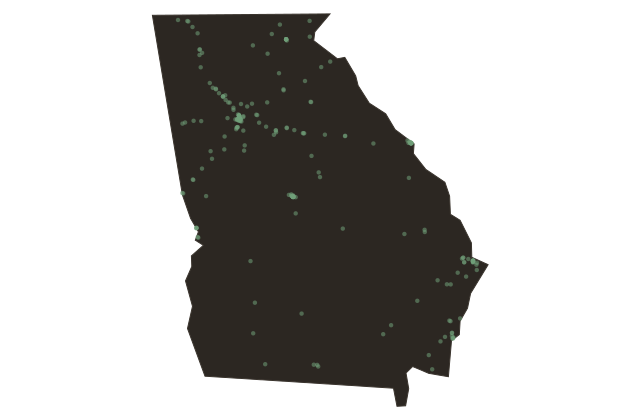
The track had been built in Hampton, Georgia, twenty-five miles south of Atlanta, by a group of developers who saw what the Daytona International Speedway, which had opened just the year before, could become. The timing seemed right. NASCAR was growing, southern motorsports had deep roots, and Atlanta was a city on the rise. But the finances never worked out the way the developers had hoped. The track struggled through the nineteen sixties and officially declared bankruptcy in the nineteen seventies, cycling through ownership while remaining operational but battered.
The turnaround came in nineteen ninety when Bruton Smith, the motorsports entrepreneur behind Speedway Motorsports, took control and began rebuilding the facility from the ground up. He reconfigured the track surface, expanded the seating, and invested heavily in modern amenities. Smith's version of the speedway became one of the fastest tracks on the NASCAR circuit, capable of producing some of the most competitive racing in the sport. Speeds here regularly pushed past two hundred miles per hour.
In twenty twenty-two, the track underwent another major transformation, this time reversing its racing surface to create a high-banked superspeedway configuration designed to produce the kind of wide-open, multi-groove racing that had defined Daytona and Talladega. The renovation drew mixed reviews, but it kept Atlanta at the center of conversation in American motorsports. More than sixty years after that muddy opening day, the track is still running, still drawing crowds, and still finding ways to reinvent itself.