The Nineteen Ninety-Six Centennial Park Bombing and Richard Jewell
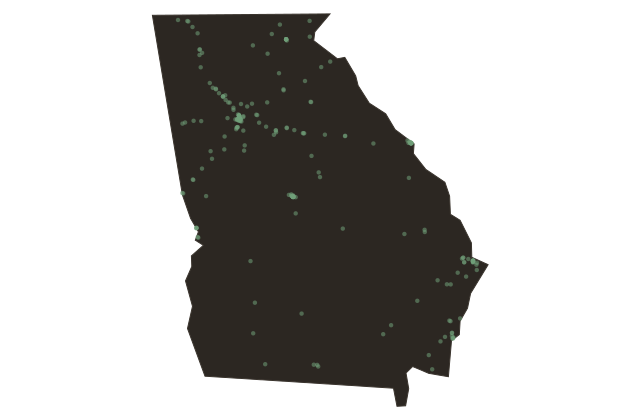
Georgia
The Atlanta Summer Olympics of nineteen ninety-six were more than two weeks old when, at one seventeen in the morning of July twenty-seventh, a pipe bomb concealed in a backpack detonated near a concert stage in Centennial Olympic Park. Alice Hawthorne, a forty-four-year-old woman from Albany, Georgia, who had brought her daughter to the Olympics, was killed by the blast. A hundred and eleven other people were injured. A Turkish cameraman died of a heart attack while running to cover the scene.
Richard Jewell was a security guard working the park that night. He noticed the backpack under a bench near the stage, recognized it as suspicious, and began clearing people away from it before the bomb detonated. His action almost certainly saved lives. Three days after the bombing, the Atlanta Journal-Constitution reported that Jewell was the focus of a federal investigation. The information had come from an anonymous FBI source. Within hours the story was everywhere.
Jewell was subjected to what became a textbook case of media prosecution by anonymous law enforcement leak. His home was searched on camera. His mother pleaded for him on television. He was not charged. He was not a suspect in any formal legal sense. He was simply the name the FBI had given to a reporter, and that was enough. The story ran for eighty-eight days before the Justice Department officially cleared him.
The actual bomber was Eric Robert Rudolph, an antigovernment extremist who planted bombs at two abortion clinics and a lesbian bar in addition to the Olympic park. He evaded capture for nearly five years in the mountains of western North Carolina before being found in two thousand three, foraging near a dumpster. Jewell died in two thousand seven, at the age of forty-four. He spent the last years of his life in a lawsuit against the media organizations that had destroyed his name.