Captain Cook and the Day the Islands Changed
Hawaii
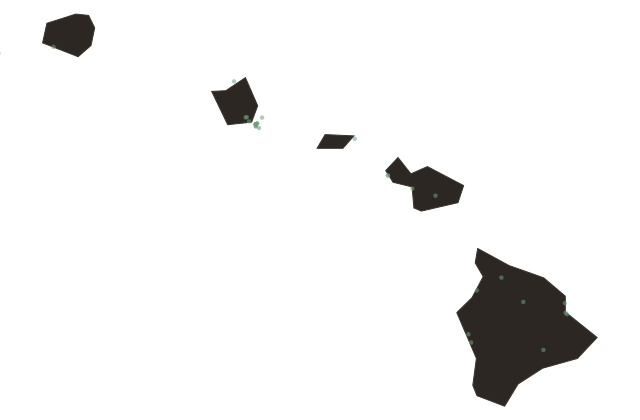
On January eighteenth, seventeen seventy-eight, the British naval vessels Resolution and Discovery reached the coast of Kauai. Their commander, Captain James Cook, was already the most accomplished navigator in the world, the first European to chart New Zealand and eastern Australia, the first person to cross the Antarctic Circle. He had been searching the North Pacific for a northwest passage when the lookouts sighted land. He recorded the position of the islands and named them the Sandwich Islands, after his patron the Earl of Sandwich. The people who met his ships on the beach at Waimea called them something else: their home.
Cook spent only a short time on that first visit before continuing north. He returned in January seventeen seventy-nine, arriving at Kealakekua Bay on the Kona coast of Hawaii Island during the season of Makahiki, the annual festival associated with the god Lono. The reception was extraordinary: hundreds of canoes surrounded the ships, and Cook was received with ceremony. Whether Hawaiians believed Cook to be the god Lono himself remains a question historians have disputed for decades. What is clear is that his welcome was connected to the festival timing.
When he departed Kealakekua Bay in early February and was then forced back by a broken mast, the welcome had changed. Tensions over the theft of a small boat escalated into a confrontation on the morning of February fourteenth, seventeen seventy-nine. Cook was killed on the beach at the water's edge. He was fifty years old. The British crew completed their voyage and returned to England. What they left behind was the consequence of contact: iron tools, new diseases, rats from the ships' hulls, and the knowledge among every navigator in the world that these islands existed.
Within a generation, the Hawaiian population would begin a catastrophic decline from introduced diseases against which they had no immunity. Estimates of the Hawaiian population in seventeen seventy-eight range from two hundred fifty thousand to eight hundred thousand. By eighteen fifty, the census counted fewer than eighty-five thousand people. The isolation that had allowed Hawaiian civilization to develop for a thousand years also left it without defenses against the biological consequences of contact.