The Niihau Incident
Hawaii
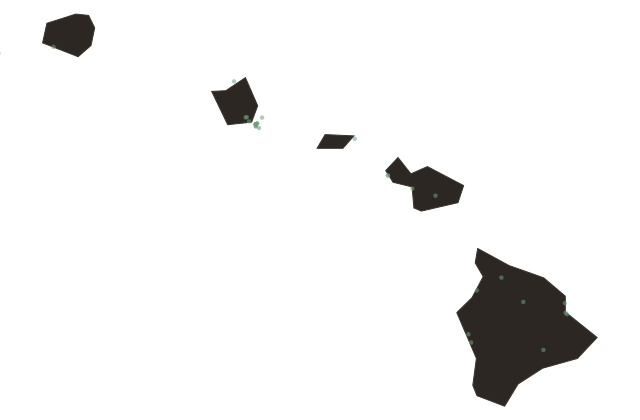
On the afternoon of December seventh, nineteen forty-one, a Japanese Zero fighter pilot named Shigenori Nishikaichi crash-landed on the island of Niihau after being hit during the Pearl Harbor attack. Niihau was and remains a privately owned island, inhabited in nineteen forty-one by a small community of Native Hawaiian residents who had no radio contact with the outside world. They would not learn what had happened at Pearl Harbor for more than a week.
A Hawaiian resident of Japanese ancestry named Yoshio Harada, whose family had lived on Niihau for years, initially helped Nishikaichi and then, as days passed without news and the reality of the pilot's situation became clearer, joined with him in an attempt to recover classified documents and prevent word of the pilot's survival from reaching the authorities. A Native Hawaiian man named Benehakaka Kanahele was shot three times while attempting to subdue Nishikaichi. He then lifted the pilot and killed him. Yoshio Harada took his own life.
The incident was brief, isolated, and involved two people. Its consequences extended across the lives of hundreds of thousands. Military and government officials used the Niihau events to argue that even well-established, long-settled Japanese Americans could not be trusted to remain loyal under pressure. The argument contributed to the political climate that produced Executive Order Nine Thousand and sixty-six, which authorized the incarceration of one hundred twenty thousand people.
The Japanese American community pointed out, and continued to point out, that Benehakaka Kanahele's actions were the most prominent demonstration of exactly the loyalty that the government claimed to doubt. Kanahele was shot three times and killed the pilot anyway. His name is in the record. He was given a Medal of Merit. The logic that his actions disproved was used anyway.