The Bannock War of 1878: The Last Resistance on the Snake River Plain
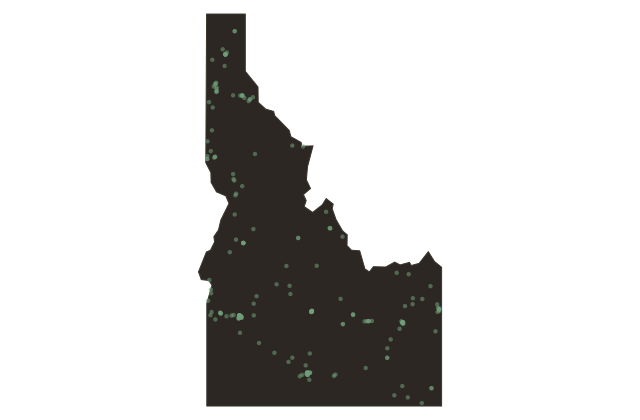
Idaho
The camas root grew in the wet meadows of the Camas Prairie in south-central Idaho in tremendous abundance, and for the Bannock and Shoshone peoples it was a dietary staple as fundamental as corn or wheat. The eighteen sixty-eight Fort Bridger Treaty had guaranteed the Bannock people the right to gather camas at Camas Prairie. By the late eighteen seventies, settlers' hogs had been turned loose in the meadows and were rooting up the camas faster than it could regenerate.
In May of eighteen seventy-eight, Bannock and Northern Paiute men and women rose in armed resistance. The immediate trigger was the destruction of the camas grounds and years of inadequate rations on the Fort Hall Reservation. Buffalo Horn, the Bannock war leader, was killed early in the fighting. The resistance then moved south and west under other leaders, with perhaps six hundred to eight hundred Bannock and Paiute participants at its peak, estimates of which vary.
General Oliver Howard, who had pursued the Nez Perce the previous year, was sent to suppress this uprising as well. One of the figures who worked alongside the Army was Sarah Winnemucca, the Northern Paiute writer, lecturer, and activist. She served as a scout and interpreter during the campaign. Her account of what the war meant for her people, published in her autobiography Life Among the Paiutes in eighteen eighty-three, is the most detailed firsthand record of what Bannock and Paiute people experienced during these years.
The war ended in the fall of eighteen seventy-eight with Bannock and Paiute people forced back onto reservations under military escort. The camas grounds that had triggered the conflict were never restored. They are farmland now. The Shoshone-Bannock Tribes of the Fort Hall Reservation are federally recognized and maintain their tribal government southeast of Blackfoot, Idaho, on land that is not Camas Prairie.