The Bunker Hill Superfund: Twenty-One Square Miles of America's Largest Industrial Cleanup
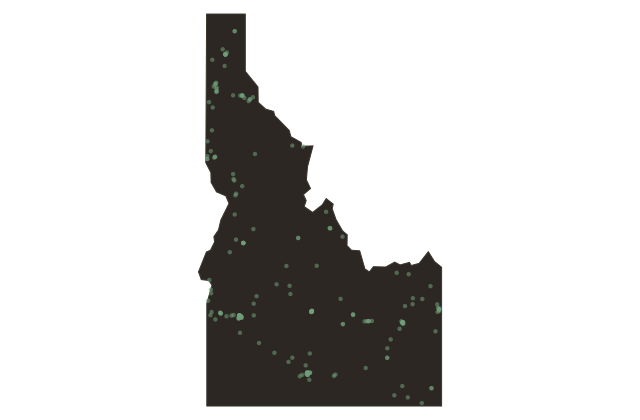
Idaho
The Bunker Hill Mine and Smelter complex in Idaho's Silver Valley was one of the most productive lead and silver extraction operations in North America for nearly a century. It opened in the eighteen eighties, employed generations of Silver Valley families, and defined the economic identity of a region that ran on what it pulled from the ground. It also deposited lead, zinc, and cadmium across the surrounding landscape at concentrations that made it one of the most contaminated industrial sites in the United States.
The Environmental Protection Agency placed the Bunker Hill site on the Superfund National Priority List in nineteen eighty-three, covering approximately twenty-one square miles. That designation has been expanded over the subsequent decades; the full Coeur d'Alene Basin Superfund, which includes contaminated lake and river sediments downstream, now covers more than fifteen hundred square miles. The complex is divided into multiple cleanup zones, some of which have been remediated, others of which remain active work sites.
The town of Kellogg sits within the original Superfund boundary. Tens of thousands of residential properties had lead-contaminated soil removed and replaced. The mining company that created the contamination declared bankruptcy before the remediation bill arrived; much of the cleanup cost has fallen to federal and state governments, meaning to taxpayers who had no role in the decision to run the smelter without emission controls.
Some contamination remains in residential soil in the valley. Children living in the Silver Valley today are tested for blood-lead levels as a matter of routine. The test is still considered necessary more than fifty years after the bag-house fire that started the most acute phase of the crisis.