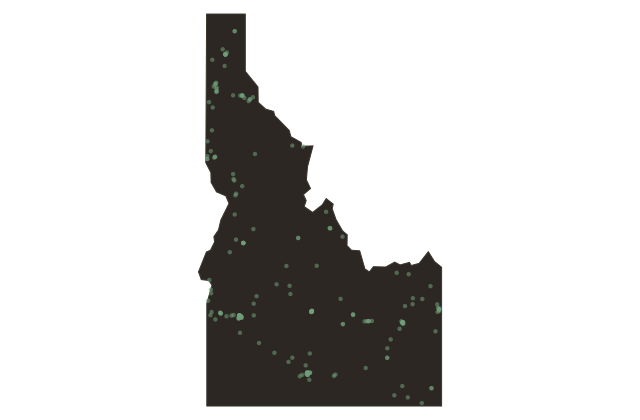
The Shoshone and the Boise Valley: Arrival, Removal, Return
Near Boise, Idaho
Before there was a city here, the Boise Valley was a seasonal home to the Northern Shoshone and their neighbors the Bannock and the Northern Paiute. These were not separate, rigidly bounded nations in the European sense, they were related peoples who moved across this high desert country following the seasons, speaking related languages, and gathering at predictable places.
The Boise Valley was prime winter camp country. Cottonwoods and willows along the river provided firewood and shelter. The river itself held fish. The foothills to the north offered hunting. Every spring, bands dispersed across the Snake River Plain to gather roots and hunt game. Every fall, they came back.
Salmon was the staple, supplemented by camas bulbs dug from the meadows, deer, antelope, and small game. The camas meadows west and north of the valley were significant gathering sites, places where dozens of family groups would converge, dig, dry, and trade for weeks at a time.
The gold rush of eighteen sixty-two changed everything. Miners poured into the Boise Basin. Fort Boise went up in July of eighteen sixty-three on ground the Shoshone had used as a river crossing and camp for generations. Within months, the Army was conducting operations to remove Indigenous families from the valley and force them east to a new reservation at Fort Hall.
The removal was not a single event but an ongoing pressure over several years, carried out by cavalry, sometimes peacefully and sometimes not.
In twenty seventeen, then-Mayor David Bieter declared June eighth Return of the Boise Valley People Day, a recognition that the descendants of those removed families are still here, still coming back. Each year, members of the nations that originally inhabited the valley gather near the river their ancestors named.