Woolly City: Ketchum as the Largest Sheep-Shipping Center in the West
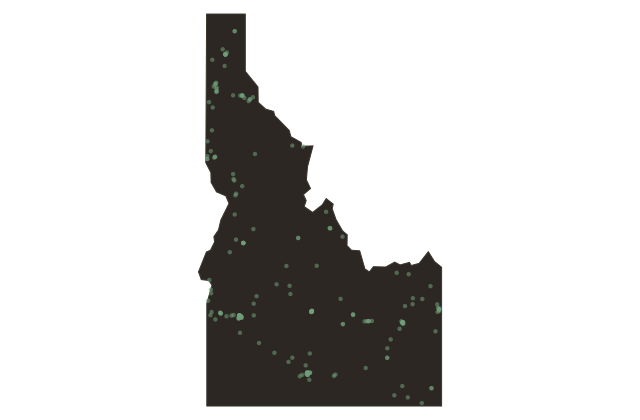
Near Ketchum, Idaho
After the silver and lead played out, the valley found a different kind of commerce in an industry that no one had originally planned for. Sheep ranchers discovered that the high mountain pastures of the Pioneer, Boulder, and Sawtooth ranges around Ketchum made superb summer grazing grounds, and they began driving their flocks north through town each spring. The scene during the sheep drives was remarkable.
Enormous flocks moved through the streets, raising dust clouds visible from a distance, filling the corrals with bleating animals. Ranchers came from as far south as Nevada and the Snake River plain. In the high country above Ketchum the sheep grazed through the summer, fattening on mountain grasses.
In the fall they came back down, flowing through town into the livestock corrals near the Union Pacific spur, where railcars carried them to the main line junction at Shoshone and on to market. The business grew steadily through the early decades of the twentieth century. By nineteen twenty, Ketchum had become the largest sheep-shipping center in the entire American West.
Some residents are said to have called it Woolly City, with both pride and a certain humor about the transformation from silver-rush boomtown to mountain feedlot. The sheep era lasted roughly from the eighteen nineties until the opening of Sun Valley in nineteen thirty-six began to reorient the valley's economy. The corrals and rail spur that shaped the town's layout during those decades are gone now, but the older buildings along the main streets carry that history in their bones.