Battle of Tippecanoe
Indiana
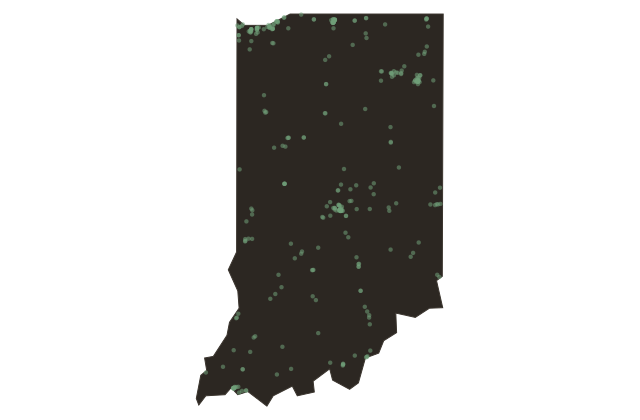
Near the confluence of the Tippecanoe and Wabash rivers in what is now Tippecanoe County, Indiana, a pre-dawn battle on November seventh, eighteen eleven, set in motion a chain of events that led directly to the War of eighteen twelve and echoed into American presidential politics nearly three decades later.
The confrontation grew from one of the most ambitious efforts at Native resistance in American history. Shawnee leader Tecumseh had spent years building a pan-tribal confederation stretching from Michigan to Georgia, based on the argument that no single tribe had the authority to sell land that belonged to all Native peoples in common. His brother Tenskwatawa, known as The Prophet, established a town called Prophetstown at the confluence of the two rivers as the spiritual and political capital of the movement. Thousands of followers came. The settlement alarmed American officials.
In September of eighteen eleven, while Tecumseh was traveling south to recruit more nations into his confederation, Indiana Territory Governor William Henry Harrison marched nine hundred fifty militiamen and regular infantry north from Vincennes toward Prophetstown. On the night of November sixth, a delegation from The Prophet arranged a meeting for the following morning. But Tenskwatawa, believing his spiritual power would make his warriors invincible, ordered a pre-dawn attack instead.
Harrison's camp held. The warriors withdrew when the promised invincibility proved illusory, and Tenskwatawa's authority collapsed overnight. On November eighth, Harrison burned Prophetstown. The confederation's unity shattered. Tecumseh, furious at his brother's decision, turned openly toward Britain, and the War of eighteen twelve followed about seven months later.
Harrison, forever after nicknamed Tippecanoe, rode that victory all the way to the White House. In eighteen forty, Whig campaigners turned the battle into the most famous presidential slogan in American history: Tippecanoe and Tyler Too.