The Lenape on the White River
Near Indianapolis, Indiana
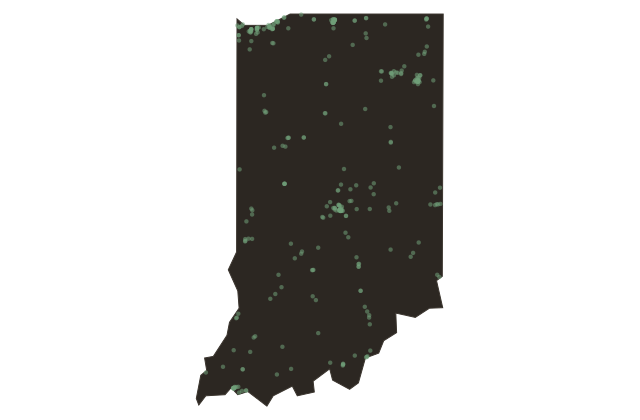
The city that would become Indianapolis was not empty when the first surveyors arrived. Along the west fork of the White River, where the water bends through what is now the center of Indiana, the Lenape people had built their lives. They called themselves the Lenape, though the European colonists who had displaced them from the Delaware River Valley two generations earlier called them Delaware. By the early eighteen hundreds, they were already refugees, pushed west from New Jersey and Pennsylvania and Ohio in successive waves of dispossession.
They had been living along the White River for roughly two decades when Indiana became a state in eighteen sixteen. The United States government viewed their presence as temporary, even before the legal mechanism existed to remove them. Under the Treaty of Saint Mary's, signed in eighteen eighteen, the Lenape and Miami nations relinquished title to the central Indiana lands. The Lenape agreed to leave by eighteen twenty-one, in exchange for a perpetual annuity, assistance payments, and the settlement of certain claims, the exact amounts a matter of historical record.
The survey party that would plat the new capital arrived in eighteen twenty. The Lenape were still there. The two groups existed in the same space, awkwardly, during the early months of the new town's life. By eighteen twenty-one, the Lenape had gone, forced west across the Mississippi to lands in Kansas that would themselves be taken before the century was out.
The town they left behind was platted along the same river where they had camped and fished. Indianapolis grew around that bend in the water. The White River still runs through the city, though most residents cross it without a second thought. What the Lenape called this place, the historical record does not preserve.