The Shawnee, Miami, and the Cleared Interior
Indiana
Ohio and Indiana were not empty when European American settlers arrived. The Shawnee, Miami, Lenape, Wyandot, and Potawatomi nations had lived, farmed, governed, and traded in this territory for generations, in some cases for centuries. By eighteen forty-six the last of them had been forced out.
The process began before any of these states existed. The Treaty of Greenville in seventeen ninety-five imposed the first major cession. A succession of additional treaties through the early nineteenth century reduced territory and relocated communities, frequently under conditions of pressure, deception, or outright coercion. The Indian Removal Act of eighteen thirty provided the federal legal framework that accelerated everything.
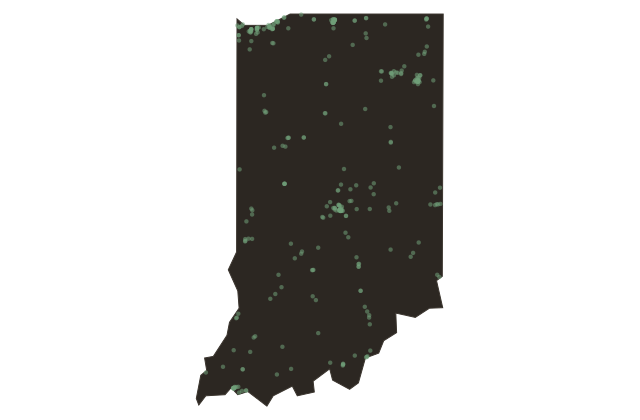
The Miami, under leaders including Francis Godfroy and Francis Slocum's family connections, resisted removal through legal means for longer than most nations. The main body of the Miami was removed to Kansas in eighteen forty-six. Some remained, and the Miami Tribe of Indiana still exists, though it did not achieve federal recognition until recently. The Miami Nation of Oklahoma represents the removed community.
The Wyandot were the last nation to sign a removal treaty, leaving Ohio in eighteen forty-three. The Lenape had already been pushed through Pennsylvania and Ohio over the preceding century. The Shawnee, whose confederacy under Tecumseh had been the most organized resistance movement in the region's history, were removed through a sequence of treaties that followed the Battle of the Thames in eighteen thirteen.
What was called settlement was preceded by removal. The farms, the counties, the county seats of Ohio and Indiana were laid out on land that had been cleared of its inhabitants by federal law and federal force within living memory of the first generation of settlers who built on it.