The Ohio River: America's Interior Boundary
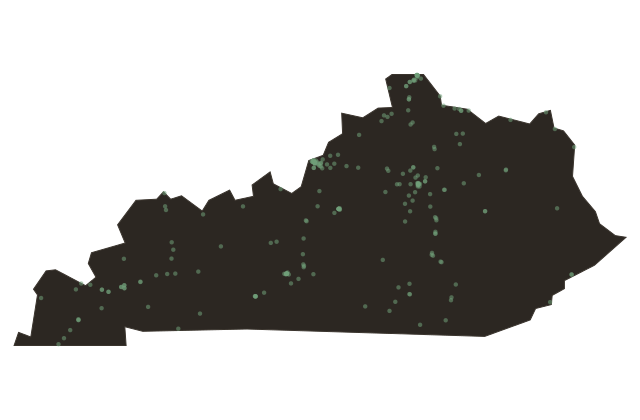
Kentucky
The Ohio River was the most consequential legal line in North America for most of a century. On the southern bank: slavery. On the northern bank: freedom, legally, though enforcement of that freedom was uneven and contested and required constant vigilance from abolitionists and freedom-seekers both.
The river runs about nine hundred eighty miles from Pittsburgh to Cairo, Illinois. For most of the antebellum period it was simultaneously the most dangerous crossing and the most necessary one for the tens of thousands of people who escaped slavery. The Ohio was not a wide river by American standards. On winter nights when the ice thickened, you could sometimes walk across. Harriet Beecher Stowe saw a woman cross the frozen Ohio at Ripley with her infant son. That crossing became the opening of Uncle Tom's Cabin.
The river shaped every major story of this region. Levi Coffin's network in Fountain City ran north from its banks. John Parker rowed south across it into Kentucky, repeatedly, and brought people north. The Rankin family kept a light burning on their Ripley hilltop that was visible from the Kentucky shore.
The river also flows the other direction in this history. The forced removal of the Shawnee, Miami, Lenape, and Wyandot nations in the eighteen thirties pushed entire Indigenous populations south and west across this same water. Freedom crossed one way; dispossession crossed the other.
The Rankin House is still on its hilltop above Ripley, Ohio. The river is right there below it. It looks exactly as it always did from up here.