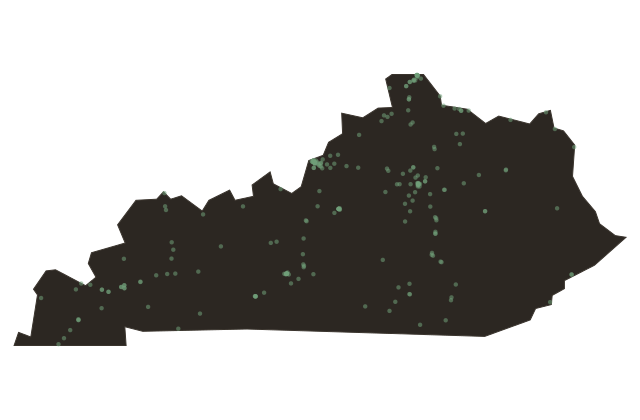
The Shared Hunting Ground
Near Lexington, Kentucky
When the first long hunters from Virginia crossed the mountains into Kentucky in the seventeen sixties and seventies, they found a region teeming with bison, elk, and deer, and few permanent Native towns, though earlier villages had stood south of the Ohio. The Bluegrass was, in the understanding of the Indigenous nations surrounding it, shared hunting ground. The Shawnee held the territory north of the Ohio River as their homeland.
The Cherokee claimed hunting rights from the south. The Chickasaw, the Creek, and various Iroquois confederacy nations also used the region. Most nations used it seasonally rather than settling it, because it was claimed by many.
The name Kentucky most likely derives from a Shawnee word, though linguists debate the exact root, possibilities include a term meaning meadowland, cane and turkey lands, or the river of blood, the last a reference to the near-constant conflict over this prized hunting territory. When Shawnee warriors attacked Daniel Boone's parties along the Wilderness Road, they were not acting irrationally. They were defending a shared commons that European settlers, operating under a fundamentally different concept of land ownership, could not recognize as claimed.
By the time Lexington was settled in seventeen seventy-nine, those ancient arrangements were already being extinguished, not through any single treaty, but through the relentless pressure of a different world.