Colfax Massacre
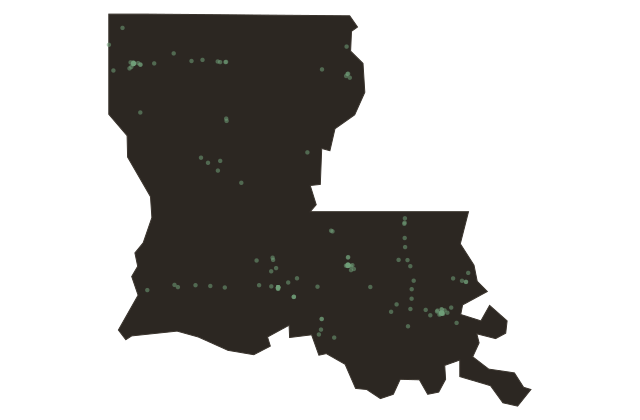
Louisiana
Easter Sunday, April thirteenth, eighteen seventy-three. The town of Colfax, Louisiana, seat of Grant Parish, was the site of the deadliest act of racial violence during the entire Reconstruction era. By the time it ended, somewhere between sixty and one hundred fifty Black men were dead. Three white men were also killed. What had begun as a contested election ended as a massacre.
The trouble started in the gubernatorial election of eighteen seventy-two. Both Republicans and Democrats claimed victory. In Grant Parish, a heavily Black county created during Reconstruction and named after President Grant, both sides set up competing local governments. In late March of eighteen seventy-three, armed Black militiamen occupied the Grant Parish courthouse to prevent Democrats from seizing control. They held it for weeks.
On April thirteenth, a white militia of several hundred men surrounded the building with a cannon. After a brief fight, many of the Black defenders fled or tried to surrender. What happened next was the massacre. White men shot and hung Black prisoners. Men who had put down their weapons were killed in the field. The courthouse itself was set on fire, burning men who had taken shelter inside.
Three men from the white militia were prosecuted under the Enforcement Act of eighteen seventy. The case went to the Supreme Court as United States versus Cruikshank in eighteen seventy-six. The Court ruled that the Fourteenth Amendment did not give the federal government power to prosecute individuals for crimes against other citizens, only states. The ruling gutted federal Reconstruction enforcement and left the formerly enslaved population of the South without legal protection.
A historical marker placed here in nineteen fifty called the massacre a riot and praised the white participants. It was removed in twenty twenty-one. A memorial to the victims was unveiled on the one hundred fiftieth anniversary of the massacre, April thirteenth, twenty twenty-three.