Hank Williams and the Louisiana Hayride
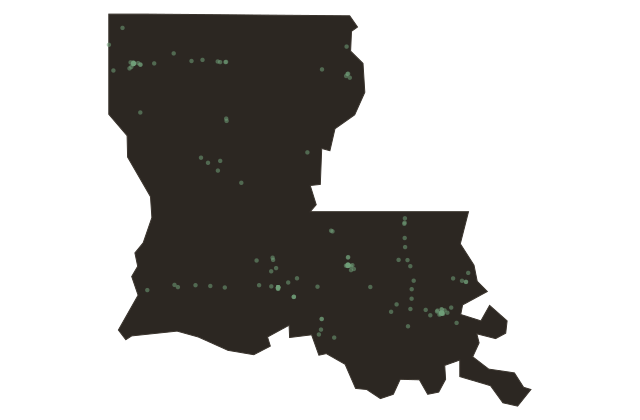
Near Shreveport, Louisiana
The auditorium on what is now called Elvis Presley Boulevard was built between nineteen twenty-six and nineteen twenty-nine as a memorial to the soldiers of World War One. The architects designed it in the Art Deco style, gave it a stage large enough to hold a full orchestra, and seated it for thirty-two hundred people. For its first two decades it hosted conventions and boxing matches and civic events of the sort that befit a memorial auditorium.
Then on April third, nineteen forty-eight, it became something else entirely. That night, the radio station KWKH broadcast the first Louisiana Hayride from this stage. The program's creator, station manager Henry Clay, and its producer and emcee, Horace Logan, had imagined a show that would do for Shreveport what the Grand Ole Opry had done for Nashville, give the region a live Saturday-night music broadcast that could carry unknown talent to a national audience.
KWKH ran at fifty thousand watts as a clear-channel station and could be heard across much of central North America on clear nights. Within a year, a regional network of twenty-five stations had signed on to carry the Hayride. Hank Williams moved to Shreveport in nineteen forty-eight and joined the program.
The Opry had rejected him at that point; the Hayride took the chance. From this stage he performed the songs that were making him famous: Cold Cold Heart, Hey Good Lookin, Honky Tonk Blues. He became a sensation and the Opry eventually took him after all.
Then on August eleventh, nineteen fifty-two, the Opry fired him for habitual drunkenness and missed performances. Williams came back to Shreveport and the Hayride took him again, no questions asked. He died on New Year's Day, nineteen fifty-three, in the back of a car in West Virginia, en route to a concert in Ohio.
He was twenty-nine years old.