The First Nations of Louisiana
Louisiana
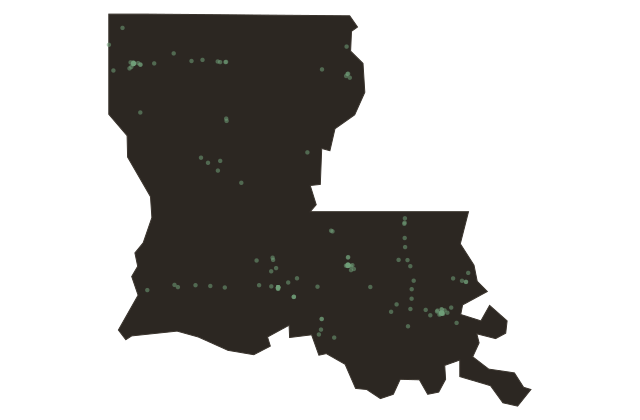
Before Louisiana had a name, it had nations. The Chitimacha occupied the Atchafalaya Basin and the lower Mississippi delta for at least four thousand years, building permanent villages along the bayous and mastering the art of double-weave cane basketry so precise that archaeologists still cannot determine which side of the basket is the front. The Houma people, whose name means red, lived along the east bank of the Mississippi before French contact and today remain the largest Indigenous nation in Louisiana with roughly eighteen thousand enrolled members, still fighting for federal recognition as of the early two thousands.
To the north, the Caddo Confederacy controlled a vast trade network stretching into Texas and Arkansas, their villages anchored by mound centers where ceremonies and commerce intertwined. Along the Red River corridor lived the Tunica-Biloxi, a confederated people who later became essential trading partners with French colonial settlers, and who won a landmark court case after a long fight to reclaim their treasure, a collection of burial artifacts that a private treasure hunter had dug up in the nineteen sixties and sold. The Natchitoches people, from whom the city takes its name, established one of the earliest permanent European contact points in the territory.
And the Natchez, whose mound center at Grand Village on the St. Catherine Creek near present-day Natchez, Mississippi stood as one of the most sophisticated chiefdoms in eastern North America, with a sun-king cosmology and a rigid social caste system unlike anything the French had encountered before. Louisiana's Indigenous history did not end with European contact.
It bent, fractured, and persisted. The Chitimacha maintain their reservation at Charenton today. The Tunica-Biloxi hold land at Marksville.
These nations predate the state by millennia.