The Louisiana Purchase of Eighteen Oh Three
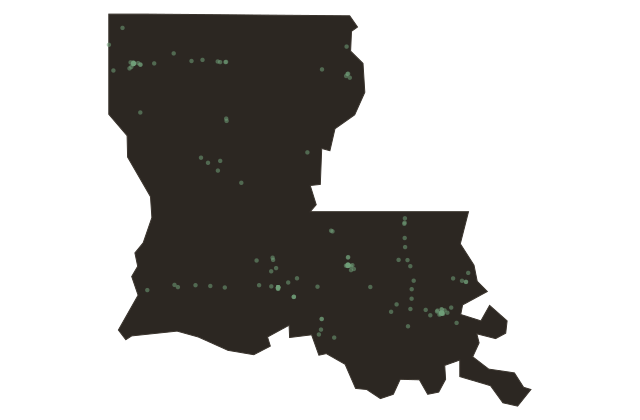
Louisiana
In the spring of eighteen oh three, President Thomas Jefferson sent James Monroe to Paris with instructions to purchase the port of New Orleans and, if possible, the Floridas. Monroe arrived to find that Napoleon Bonaparte had already decided to sell something far larger. France had just lost Saint-Domingue, modern Haiti, to a revolution led by formerly enslaved people, and Napoleon's dream of a western empire had collapsed with it.
He needed money. He needed to deny Britain a prize. And he had no use for a territory he could not defend.
On April thirtieth, eighteen oh three, the United States agreed to purchase approximately eight hundred twenty-eight thousand square miles of North American territory for fifteen million dollars, or roughly three cents per acre. The deal doubled the size of the young republic overnight. It encompassed the future states of Louisiana, Missouri, Arkansas, Iowa, North Dakota, South Dakota, Nebraska, and Kansas, along with substantial portions of Minnesota, Colorado, Wyoming, Montana, and Oklahoma.
Jefferson, a strict constructionist who had argued for decades that the federal government could only do what the Constitution explicitly permitted, faced an uncomfortable truth: the Constitution said nothing about purchasing foreign territory. He signed the treaty anyway. The Senate ratified it in October eighteen oh three.
Three months later, on December twentieth of that year, at the Cabildo in New Orleans, the French tricolor came down and the American flag went up. Louisiana had changed hands three times in forty years. Spanish.
French. American. The people living in the territory had been consulted in none of these transactions.