The Word Cajun Came From a Ship
Louisiana
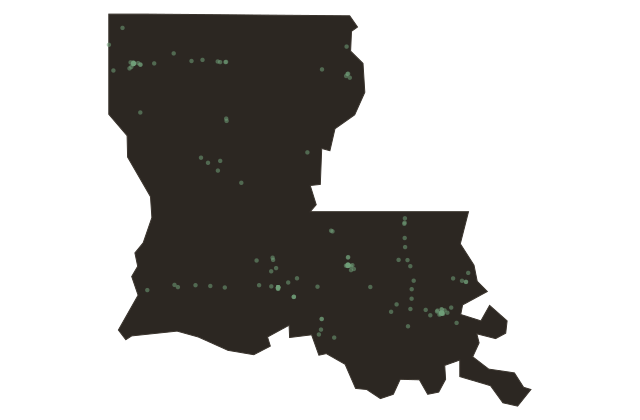
The word Cajun is a corruption. In the mouths of the Acadian exiles who arrived in Louisiana in the seventeen sixties, the word for themselves was Acadien. It became Cadien, then Cajun, across generations of pronunciation in a new country where the old name kept wearing down.
The expulsion of seventeen fifty-five, which the Acadians called Le Grand Dérangement, the Great Upheaval, was by any measure an act of deliberate ethnic removal. British colonial authorities had been debating for years whether to expel the Acadian settlers of Nova Scotia, who had farmed the coastal marshes for four generations and who refused to swear unconditional loyalty oaths to the British Crown. In seventeen fifty-five, with the Seven Years War approaching, the decision was made. Families were separated and loaded onto different ships, a deliberate policy to prevent reconstitution of the community. Crops were burned. Villages were razed.
Of the roughly ten thousand Acadians expelled, scholars estimate that somewhere between a third and half died in transit, in exile camps on the eastern seaboard, in the Caribbean, or of disease before reaching any permanent home. Some made it to France and hated it. Some made it to the French Caribbean and struggled there. Beginning in the seventeen sixties, several thousand arrived in Louisiana, which was then under Spanish administration. The Spanish welcomed them as useful settlers for the sparsely populated bayou country west of New Orleans.
They came with nothing but memory and craft. The boucherie tradition of communal hog slaughter and sausage-making. The fiddle and accordion music. The Catholic faith. The French that had already survived one Atlantic crossing and two centuries of colonial pressure. They built something new from those materials, in a landscape unlike anything they had known, and the world came to call it Cajun, after the worn-down version of the name they had lost.