Bath Iron Works: The Shipyard That Outbuilt an Empire
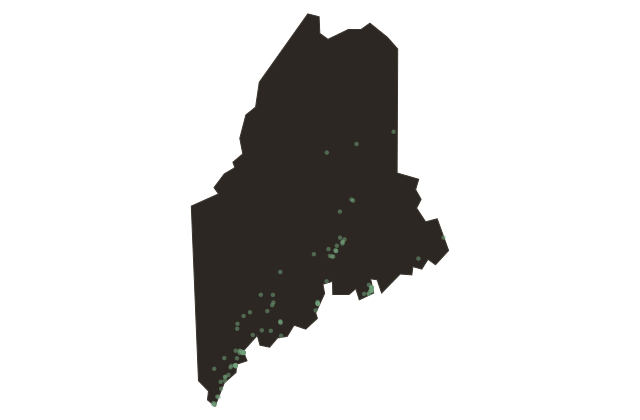
Maine
The city of Bath, Maine sits on the Kennebec River, and it has been building ships here without pause since before the United States existed. But the yard you are passing now, Bath Iron Works, is something different. It is a facility that in the Second World War did something almost no one thought possible.
Bath Iron Works was founded in eighteen eighty-four by General Thomas Hyde, a Civil War veteran who took over a local windlass shop and slowly transformed it into a full iron shipyard. By eighteen ninety the yard won its first Navy contract, two small gunboats, and launched the gunboat Machias into the Kennebec. By nineteen twelve, Bath was the Navy's leading specialist in destroyers, the light fast warships that would define twentieth century sea power.
Then came the Second World War. Bath Iron Works was a small city yard on a river in Maine. The Japanese Empire had been building warships for decades with vast industrial resources. Yet between nineteen forty-two and nineteen forty-five, the workers of Bath launched a destroyer every seventeen days on average. Shift workers ate lunch in the yard, slept in shifts, and in many cases worked seven days a week for months. The Kennebec in those years was choked with the grey shapes of half-finished hulls.
When the war ended, historians calculated that Bath Iron Works, a single yard in a Maine town of fewer than ten thousand people, had matched and in some categories exceeded the output of entire Japanese shipbuilding divisions. The phrase repeated locally ever since: Bath outbuilt the Japanese Empire.
The yard never stopped. Today Bath Iron Works, owned by General Dynamics, builds the Arleigh Burke class guided-missile destroyers, widely considered the most capable surface combatants in the world. The blue steel skeletons visible from Route One are not relics. They are the current generation of American sea power taking shape over the same river where Thomas Hyde launched his first gunboat a hundred and forty years ago.