The Maine Indian Land Claims Settlement
Maine
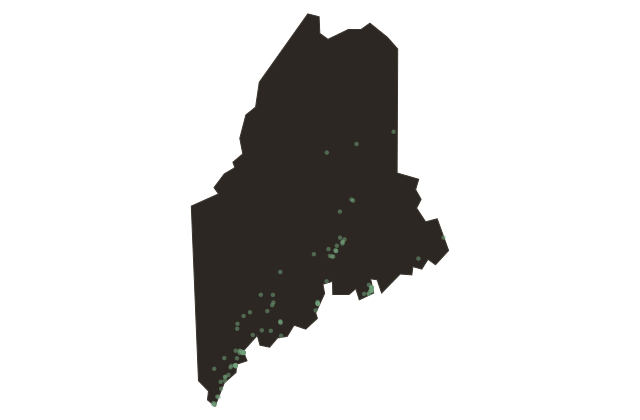
In nineteen seventy-two, attorneys for the Passamaquoddy Tribe walked into a federal office and presented a claim that stunned the state of Maine. The tribe argued that the Indian Trade and Intercourse Act of seventeen ninety, which required congressional approval for any purchase of Indian land, had been violated by every land transaction in the state since Maine achieved statehood in eighteen twenty. Every single one. That meant potentially twelve and a half million acres, roughly two-thirds of the entire state, were held under clouded title. The private landowners who controlled those acres, including major timber companies, had never heard of the seventeen ninety act and had no reason to think it applied to them. Suddenly it might.
The case reached the federal courts. In nineteen seventy-five, a judge ruled in the Passamaquoddy v. Morton decision that the federal government did have a trust responsibility to Maine's tribes, a ruling that forced Washington to take the lawsuit seriously. Three years of high-pressure negotiation followed, involving the state, the tribes, private landowners, and the Carter administration simultaneously. The result was the Maine Indian Claims Settlement Act, signed into law on October tenth, nineteen eighty.
The settlement paid the tribes eighty-one and a half million dollars in federal funds to purchase land. The Penobscot Nation and Passamaquoddy each received twenty-six point eight million dollars for land acquisition and an additional thirteen and a half million dollars in trust.
What the settlement also did, and what the tribes have contested ever since, was subject them to Maine state civil and criminal jurisdiction in ways that other federally recognized tribes across the country are not required to accept. The standard federal framework gives tribal governments substantial sovereign authority within their boundaries. The nineteen eighty act carved out an exception specific to Maine, an exception the tribes have been fighting to undo through the courts and the legislature in every decade since.
The Penobscot Nation's government sits on Indian Island, in the Penobscot River, connected to the town of Old Town by a bridge. The island is tribal land. The river surrounding it is not, under the terms of the nineteen eighty act, a matter the courts have taken decades to sort out.