Before Greenbelt: Piscataway Homeland, Tobacco Ruin, and FDR's Model City
Near Dc Northern Virginia, Maryland
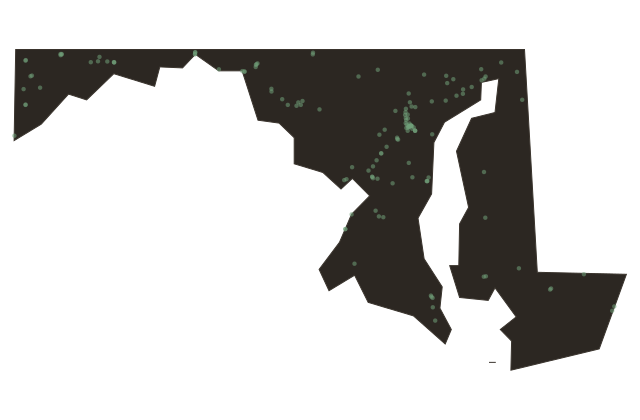
The stream running through Greenbelt is called Indian Creek, and it marks ground the Piscataway people occupied for centuries before English colonists arrived in the sixteen hundreds. Tobacco farming followed, and by the twentieth century the soil was spent. In nineteen thirty-five, Franklin Roosevelt's Resettlement Administration chose about twelve thousand depleted acres between Washington and Baltimore as the site of an experiment: a federally built cooperative town that would give Depression-era construction workers jobs and provide affordable housing for low-income families inside a permanent greenbelt of forest.
Workers broke ground before the architectural plans were even finished. By nineteen thirty-seven, the first residents moved into Greenbelt, Maryland, one of only three such New Deal towns built in the entire country. It was designed around pedestrian underpasses, shared courtyards, and cooperative institutions, a planned-from-scratch community on worn-out land that had once fed the Chesapeake tobacco trade.