Fort McHenry and the Night the Flag Was Still There
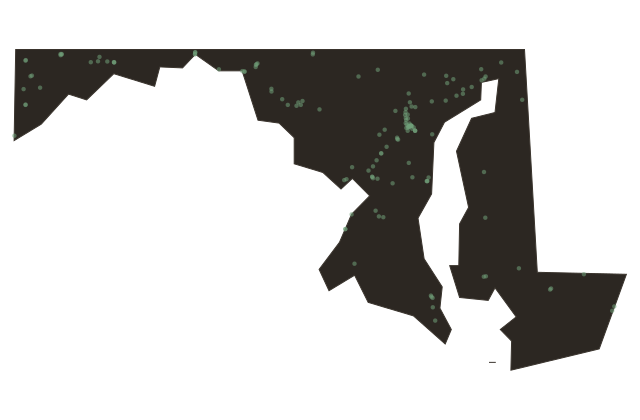
Maryland
The British fleet arrived before midnight on September thirteenth, eighteen fourteen. By the time the first rockets arced over the harbor, the garrison inside Fort McHenry had been awake for hours, waiting. The bombardment lasted twenty-five hours. Mortars. Congreve rockets. The fort's guns could not reach the warships; the warships stayed just far enough offshore that return fire fell short. The garrison could do nothing but hold the walls and let the sky burn.
Francis Scott Key was watching from a prisoner-exchange ship anchored in the harbor. He was a Washington lawyer, there to negotiate the release of a civilian held by the British. He could not leave until the naval action concluded. So he watched. And when dawn came on September fourteenth and the fifteen-star, fifteen-stripe American flag was still flying over the fort, he reached for the back of a letter he had in his pocket and began writing.
The song he drafted that morning was not adopted as the national anthem until nineteen thirty-one, one hundred seventeen years after that night. Major George Armistead, who commanded the fort's defense, had ordered that flag made intentionally oversized, specifically so the British fleet could see it from their anchorage. The flag is still in existence. It lives in the Smithsonian Institution in Washington, where it has been displayed since nineteen oh seven.
The fuller story of the man who wrote the song belongs in the same frame as the flag. Key held enslaved people throughout his adult life. As United States Attorney for the District of Columbia in the eighteen thirties, he prosecuted abolitionists and attempted to suppress antislavery literature in the capital. He wrote "land of the free" in eighteen fourteen and continued to hold enslaved people for twenty-nine more years. Both facts are true. They do not cancel each other. Together they are the monument's complete history.