Star-Spangled to the World: What the National Anthem Carries
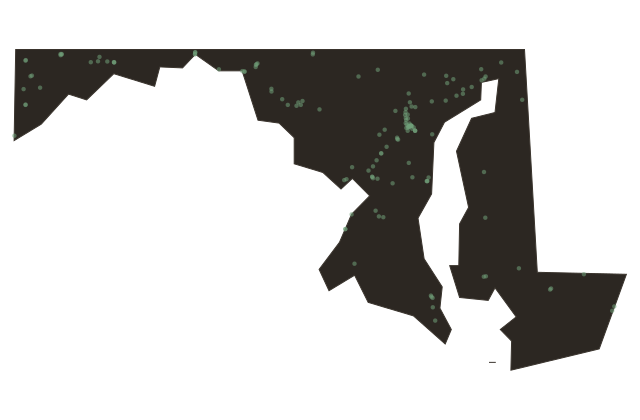
Maryland
The song began as a poem started on the back of a letter on the morning of September fourteenth, eighteen fourteen, by a Washington lawyer named Francis Scott Key who had watched a British naval bombardment from a ship anchored in Baltimore Harbor. The fifteen-star, fifteen-stripe flag over Fort McHenry was still flying. He wrote what he saw.
That much is well known. What is less well known is the statewide resonance the song acquired, and the complications that came with it.
The flag itself had been ordered in July of eighteen thirteen by Major George Armistead, the fort's commander, who wrote to the commander of the Baltimore military district that he wanted a flag so large that the British would have no difficulty seeing it from a distance. The flag was sewn by Mary Pickersgill, a professional flag maker in Baltimore, with help from her teenage daughter, her two nieces, and an African American indentured servant named Grace Wisher. It was thirty feet by forty-two feet. It required more canvas than Pickersgill's house could accommodate; the mayor of Baltimore gave her permission to use the floor of a nearby brewery for the final stages of assembly.
The song Key wrote was set to an existing English drinking tune called To Anacreon in Heaven. It passed through American military culture as a patriotic standard for more than a hundred years before Woodrow Wilson directed the Army and Navy to play it at official events in nineteen sixteen. Congress formally designated it the national anthem in nineteen thirty-one, one hundred and seventeen years after the bombardment.
The verses beyond the first are rarely sung today. The third verse contains language that some historians interpret as a direct celebration of the deaths of enslaved men who had escaped to British lines in exchange for freedom and fought against the United States. The scholarly debate about Key's intent continues. The flag and the song are Maryland's contribution to the national iconography. They carry the complexity of the state that produced them.