The National Road Inns: America's First Highway Culture
Maryland
Before interstate highways, before U.S. Route Forty, before the railroad, there was the National Road, the first highway ever built with federal funds, authorized by Congress in eighteen oh six and pushed westward through these mountains to link the young nation's eastern seaboard to the frontier beyond the Ohio River.
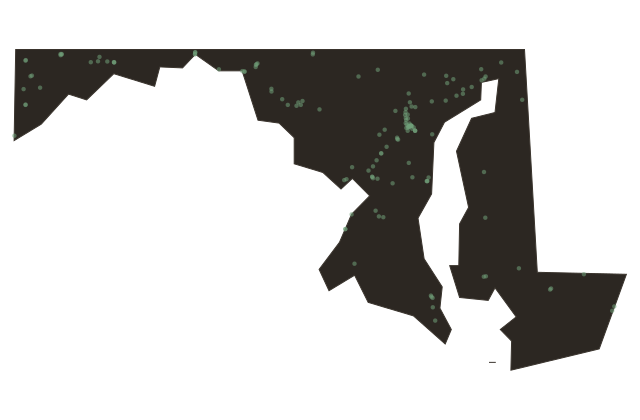
And wherever people travel long distances, they need to eat, sleep, and rest their horses. Along the National Road through western Maryland, a whole economy of inns and taverns grew up to meet that need. Today their surviving remnants are listed together on the National Register of Historic Places as the Inns on the National Road historic district, covering Allegany and Garrett Counties.
The inns were not merely rest stops. They were the social infrastructure of the road. Drovers pushing livestock to eastern markets, freight haulers in Conestoga wagons loaded with western produce, government mail riders, speculators, settlers heading for Ohio and Indiana. All of them passed through. The inns were where news traveled, where deals were struck, where a traveler might hear for the first time what was happening in Washington or Pittsburgh.
Several of these buildings still stand. The Casselman Inn near Grantsville, built around eighteen twenty, is one of the most intact survivors, still operating today. The Flintstone Hotel dates to about eighteen oh seven. The Four Mile House in LaVale is a Greek Revival brick structure from the mid-eighteen hundreds. The Tomlinson Inn, just east of Grantsville, is among the earliest hotels built along the entire road.
The National Road carried its heaviest traffic from about eighteen eighteen through the eighteen forties, when the Baltimore and Ohio Railroad made wagon freight uneconomical. But the inns that served it outlasted the road itself, and a few of them outlasted the railroad too.