King Philip's War: The Bloodiest Conflict
Massachusetts
In the summer of sixteen seventy-five, a Wampanoag man named Metacomet, whom the English called King Philip, watched the colonial courts execute three of his people for the alleged murder of a Christian convert. The executions were the breaking point. By June of that year, the war that would become the deadliest conflict, per capita, in American history had begun.
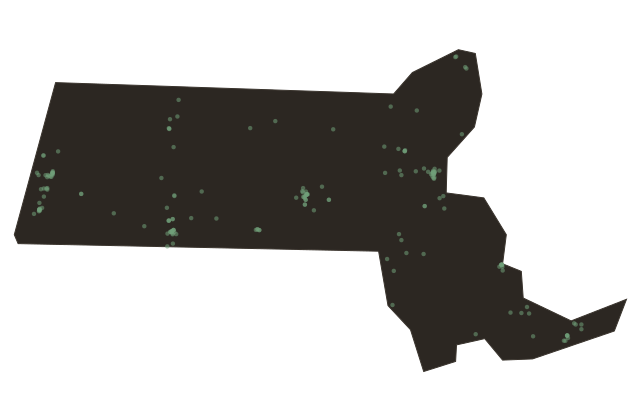
Metacomet was the second son of Massasoit, the sachem who had welcomed the Pilgrims. He had grown up watching colonial settlements swallow Wampanoag land, colonial courts overrule tribal authority, and colonial missionaries convert and divide his own people. By sixteen seventy-five he had seen enough. He led a confederation of Nipmuc, Narragansett, and Wampanoag warriors in a coordinated campaign that struck fifty-two of the ninety English towns in New England. Twelve were burned to the ground.
The toll on both sides was staggering. Roughly six hundred English colonists were killed in battle. Thousands more died of disease, exposure, or in raids. On the Native side, the losses were catastrophic. Historians estimate that three thousand Wampanoag and allied warriors died in combat. Thousands more were sold into slavery in the Caribbean, including Metacomet's wife and son. When Metacomet himself was killed in a swamp in Bristol, Rhode Island on August twelfth, sixteen seventy-six, the colonists put his head on a pike in Plymouth, where it remained for more than twenty years.
King Philip's War ended Wampanoag political independence in southern New England. The Wampanoag people survived. Their descendants still live in Massachusetts today, still seeking the federal and state recognition that was stripped from them in the aftermath of that war.