The Town Lit by Alternating Current
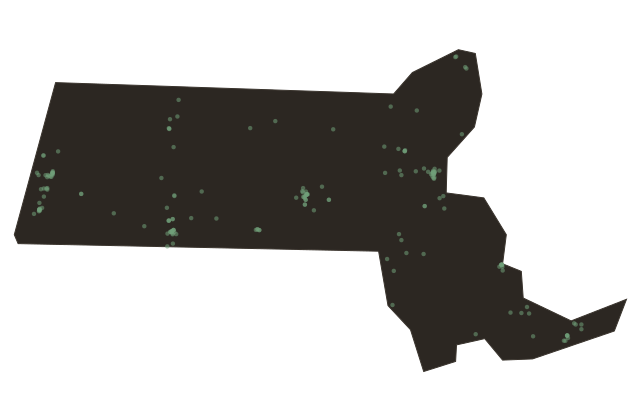
Near Great Barrington, Massachusetts
On a March evening in eighteen eighty six, the store windows along Main Street in Great Barrington glowed with a new kind of light, and the modern electrical world quietly began. The man behind it was an inventor named William Stanley Junior, who had come to the Berkshires for his health and set up a laboratory in town. Working with backing from George Westinghouse, Stanley built a practical system of alternating current, the technology that still powers homes today.
He generated electricity, used transformers to step the voltage up so it could travel efficiently along wires strung from the elm trees on Main Street, then used more transformers to step it back down to safely light incandescent lamps in the shops below. On the twentieth of March, eighteen eighty six, he lit a string of lamps in stores and offices, making Great Barrington one of the first places on earth illuminated by a complete alternating current system. This was the crucial idea that let electricity travel long distances, and it helped settle the great current wars in favor of alternating current.
A modest Berkshire town had become a birthplace of the electric age. Stanley went on to hold scores of patents and found a company that later became part of General Electric.