Battle of Birch Coulee
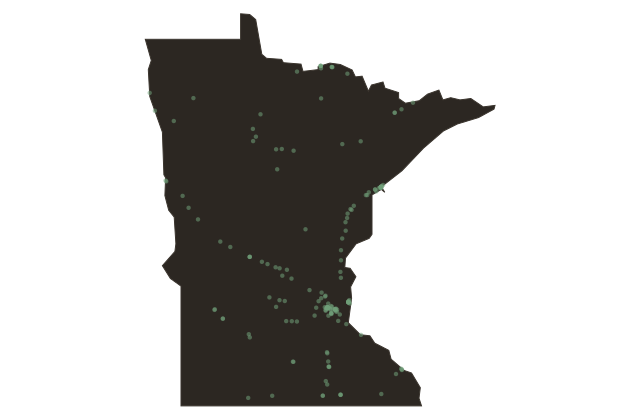
Minnesota
On August thirty first, eighteen sixty-two, a column of about one hundred fifty three United States soldiers and civilians rode out from Fort Ridgely with a grim assignment: bury the settlers killed in the opening days of the Dakota War. Major Joseph Brown chose a campsite near Birch Coulee Creek, in open ground he believed was safe. By midnight, two hundred Dakota warriors had silently encircled the camp.
At first light they opened fire from three sides. Within minutes, ninety horses lay dead in the camp's perimeter. Those horses had been the soldiers' only means of escape. Now they were a barricade.
What followed was thirty-one hours of siege. The soldiers dug shallow rifle pits with their hands and mess plates while warriors kept them pinned down with rifle fire. The August prairie heat had given way to September chill. There was no water. Wounded men lay without treatment. The men were volunteers and militia, many of them farmers and townspeople who had enlisted only weeks earlier when the war began.
The battle of Birch Coulee was the worst defeat the United States Army suffered during the entire Dakota War of eighteen sixty-two, and the most tactically successful engagement the Dakota fighters achieved. American casualties numbered thirteen dead and nearly fifty wounded. Dakota losses were estimated at two fighters killed.
It was General Henry Sibley's relief column, arriving with cannon, that finally drove the Dakota off on the afternoon of September third. Sibley had heard the distant gunfire but needed hours to organize his march.
The Dakota War had erupted because the federal government had failed to deliver promised annuity payments while Dakota families were starving. The battle here was not an act of random violence; it was warfare prosecuted by men defending their land and their people. The Birch Coulee battlefield is preserved today as a Minnesota state historic site, one of the few places where the physical ground of that anguished conflict remains largely intact.