Ojibwe Treaty Rights: The Fish Wars of the 1980s
Minnesota
The treaties the Ojibwe bands signed in eighteen thirty-seven, eighteen fifty-four, and eighteen fifty-five ceded land to the United States but explicitly retained usufructuary rights: the right to fish, hunt, and gather on the ceded territory as the people always had. That language was in the treaties. It had always been in the treaties. For over a hundred years, the state of Wisconsin and the state of Minnesota acted as though it was not.
Beginning in the nineteen seventies, Ojibwe families in Wisconsin began asserting those rights in court. The legal battles that followed culminated in a nineteen eighty-three ruling by a federal appeals court, known as the Voigt Decision, which affirmed that the Wisconsin Ojibwe bands held enforceable treaty rights to fish and hunt on ceded territory. When Ojibwe families began exercising those rights, spear-fishing for walleye on Wisconsin lakes at night during the spawning season, they were met at the boat landings by protesters. The protests turned ugly. Men threw rocks. Boats were swamped. Signs read Spear an Indian, Save a Walleye. Rifles were fired into the water.
The state of Wisconsin spent years arguing the rights away in subsequent litigation. The federal courts held.
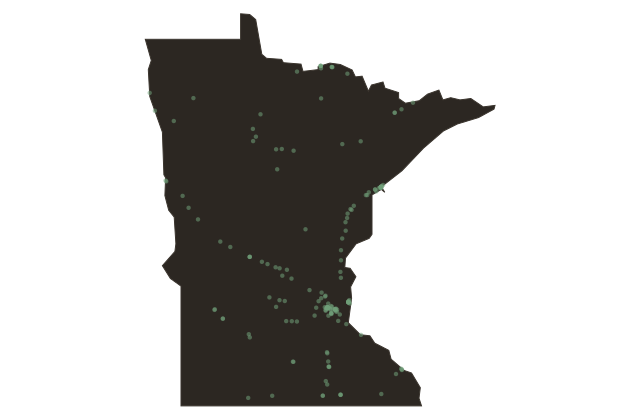
In Minnesota, the Mille Lacs Band of Ojibwe brought their own case, which reached the United States Supreme Court. On March twenty-fourth, nineteen ninety-nine, the court ruled five to four in favor of the Mille Lacs Band, affirming treaty fishing rights that had been denied for a century. The rights are enforceable today.
The lake you are near is treaty water. It was treaty water before the state put its name on it, before the resorts were built on its shores, before the walleye-fishing tournaments were organized. The law says so.