Sixty-One
Near Fargo, Minnesota
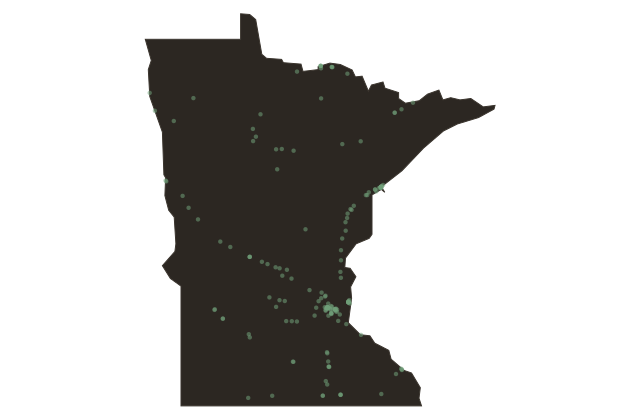
Roger Maris was born in Hibbing, Minnesota, in nineteen thirty-four, but he grew up in Fargo, where his family moved in nineteen forty-six when he was twelve years old. He played high school football and basketball and baseball here, signed a professional contract out of high school, and eventually came to New York as a Yankee in nineteen sixty. What happened in the summer of nineteen sixty-one made him one of the most discussed and, in many ways, one of the most burdened athletes in American sports history.
That season, Maris hit sixty-one home runs, breaking Babe Ruth's single-season record of sixty set in nineteen twenty-seven. The record-breaking hit came on October first, in the last game of the season, in the fourth inning, at Yankee Stadium. The ball went into the right-field stands. Maris circled the bases. The crowd gave him a standing ovation.
But almost nothing about it was celebrated simply. Baseball commissioner Ford Frick, who had been a friend of Babe Ruth, announced midseason that any record broken in the newly extended one-hundred-sixty-two-game schedule would need to be distinguished from Ruth's mark set in a one-hundred-fifty-four-game season. A sportswriter named Dick Young suggested the distinction should be marked with an asterisk. The asterisk never actually appeared in any official record book, but the idea stuck in the public mind and followed Maris for the rest of his life.
New York's press was not kind to him. The pressure of the chase, the scrutiny, the resentment, Maris lost patches of hair that summer from what was believed to be stress. He played seven World Series and won the American League Most Valuable Player Award twice. He died of non-Hodgkin lymphoma in December of nineteen eighty-five at age fifty-one.
The Roger Maris Museum is in Fargo, at West Acres Mall. His record stood for thirty-seven years.