The 1934 Teamsters Strike
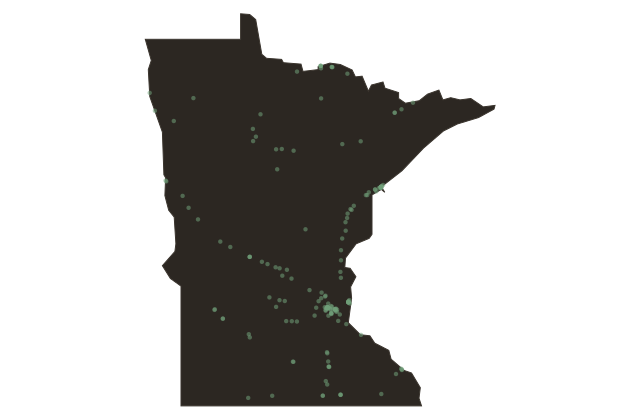
Near Minneapolis St Paul, Minnesota
Minneapolis in nineteen thirty-four was an open-shop city. The Citizens Alliance, a powerful organization of employers, had maintained that status since the early nineteen hundreds by systematically defeating union organizing drives. Pay for truck drivers and warehouse workers was low even by Depression standards, and the unions had been unable to gain a foothold.
Local Five Seventy-Four of the International Brotherhood of Teamsters decided to change that. The local's leadership, including Farrell Dobbs, Grant Dunne, and Ray Dunne, had studied industrial organizing carefully and planned a citywide campaign with unusual precision. They organized not just drivers but helpers, inside workers, and the warehouse men who loaded and unloaded the trucks.
The first strike came in February nineteen thirty-four and lasted three days, winning union recognition in the coal yards. The second came in May. Strikers took over the Minneapolis produce market and stopped deliveries across the city. The Citizens Alliance responded by recruiting special deputies. On May twenty-second, fighting broke out at the market between strikers and deputies in what became known as the Battle of Deputies Run; two special deputies were killed and dozens of people injured. The governor declared martial law.
On July twentieth, employer-aligned special deputies and police fired into a crowd of strikers and bystanders. Two workers died. Sixty-seven people were shot, most of them in the back, according to accounts collected by the Hennepin County coroner's office. The day became known as Bloody Friday.
The strike ultimately succeeded. Federal mediators brokered an agreement in late August that recognized the union and established wage rates. It was among the most significant labor victories of the nineteen thirties and helped establish the Teamsters as a national power. Farrell Dobbs later wrote a four-volume account of the Minneapolis strikes that remains a standard source in labor history.