The Anishinaabe and the Treaty of Eighteen Fifty-Four
Near Duluth, Minnesota
Long before the French arrived, the western shore of Lake Superior belonged to the Anishinaabe, the people also called Ojibwe, who called themselves by the name their language gave them. They had lived among the birch forests and wild rice rivers of the Great Lakes region for centuries, moving with the seasons, fishing the cold waters of Gichigami, harvesting manoomin from the northern lakes. Their clans, the crane, the bear, the marten, carried distinct responsibilities in governance and ceremony.
The eighteenth century brought displacement. The Dakota people, who had occupied land south and west of the lake, and the Ojibwe fought a generations-long territorial conflict, often intensified by competing access to European trade goods. By the early nineteenth century, the Ojibwe held the southern shore of Lake Superior and the northern Minnesota interior.
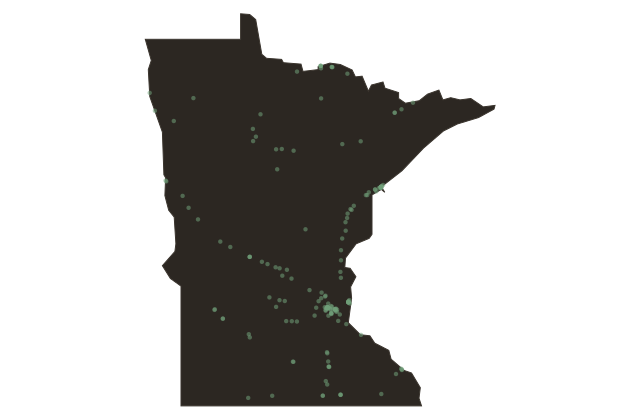
They had what the Americans would come to want: land sitting atop iron and copper. The Treaty of Eighteen Fifty-Four, signed at La Pointe, Wisconsin, ceded the Arrowhead Region of northeastern Minnesota to the United States. The Fond du Lac Band of Lake Superior Chippewa, whose reservation sits at the western edge of Duluth today, signed that treaty and retained the right to hunt, fish, and gather on ceded lands.
Those reserved rights would later become the center of bitter legal battles in the nineteen eighties and nineties, when Ojibwe people exercising treaty-guaranteed spearfishing rights were met with protests, racial slurs, and violence from opponents. Federal courts ultimately upheld the treaty rights. The Fond du Lac Band maintains a tribal government, a community college, and a casino today.
Their presence at the edge of Duluth is not a remnant. It is a continuation, one of the oldest American Indian nations in Minnesota, still living on a portion of the territory their ancestors held when Daniel Greysolon pulled his canoe ashore and called what he saw a promising country.