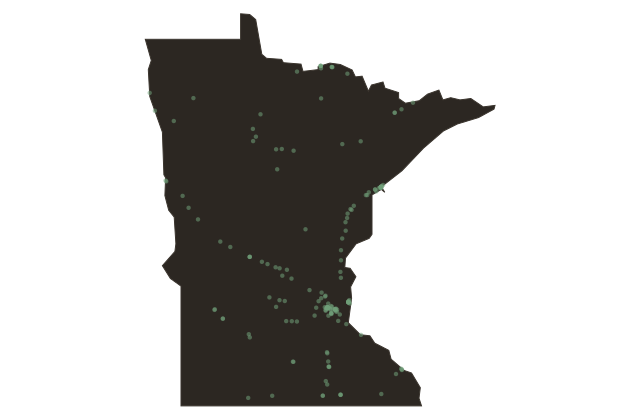
The Thirty-Eight of Mankato
Minnesota
At nine fifty in the morning on December twenty-sixth, eighteen sixty-two, thirty-eight Dakota men were hanged simultaneously in Mankato, Minnesota. It is the largest mass execution in United States history. The ropes dropped on the order of President Abraham Lincoln, who had spent weeks reviewing trial records personally before signing the order.
The executions were the final act of the United States-Dakota War, which had begun four months earlier on August seventeenth. The war itself began with starvation. Federal annuity payments owed to the Dakota people under treaty were eighteen months late. Traders at the agency refused to extend credit. One trader, Andrew Myrick, reportedly told agency officials that if the Dakota were hungry, they could eat grass. A month after the fighting ended, Myrick's body was found with grass stuffed in his mouth. That detail is documented. It does not appear in the standard account of the war.
Over the preceding six weeks of fighting, more than four hundred settlers, soldiers, and militia, along with an estimated one hundred fifty Dakota combatants, died. When the fighting ended, military tribunals processed more than three hundred Dakota men, sometimes in proceedings that lasted less than five minutes each, with no defense counsel. Three hundred three were sentenced to death. Lincoln reviewed the trial records himself, applying what he described as a distinction between those who had participated in individual murders and those who had participated only in battle. He reduced the list to thirty-eight.
The condemned were housed in Mankato through December. On the morning of the twenty-sixth, a crowd of several thousand gathered. The thirty-eight men held hands, sang Dakota songs, and called out to one another as the platform dropped. The names of the condemned, including Tazoo, Hdainyanka, and Wicanhpi Wastedanpi, have been preserved by Dakota historians and their descendants. The federal government has never formally apologized.
Where you are standing, a park called Reconciliation Park marks the site. The Dakota people this land belonged to have been returning to it for a hundred and sixty years.