The River That Decided, The Flood of Nineteen Twenty-Seven
Mississippi
In the spring of nineteen twenty-seven, the Mississippi River swallowed the Delta. Rain had been falling since the previous August, soaking an already saturated watershed from Minneapolis to Memphis. On April twenty-first, the main levee at Mounds Landing, Mississippi, gave way. The breach was more than a quarter mile wide. One observer described the sound as a roar like a thousand freight trains. The water that poured through flooded an area the size of Connecticut, Rhode Island, and Massachusetts combined.
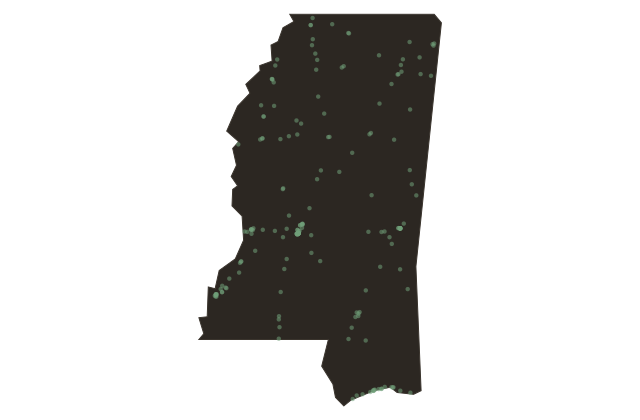
More than twenty-six thousand square miles of the lower Mississippi Valley went underwater. In Mississippi, the Delta counties bore the worst of it. Some areas were submerged under thirty feet of water for months. An estimated three hundred thirty thousand people were displaced in Mississippi alone, the vast majority of them Black sharecroppers and tenant farmers who had nowhere else to go and nothing to return to.
The federal response fell largely to Herbert Hoover, then Secretary of Commerce, whose management of the relief effort launched him toward the presidency. But the relief was not equal. The Red Cross and the Army set up segregated camps, and in many cases Black men were forced at gunpoint to work on the levees during the flood, guarded by armed planters who feared their labor force would flee north. When the waters receded, planters used debt to keep workers who had tried to leave from going.
The flood accelerated the Great Migration. Hundreds of thousands of Black Mississippians had already been leaving for Chicago, Detroit, and St. Louis; the nineteen twenty-seven flood broke the last reluctance for many families. The music they carried north, forged in the Delta's sorrow, became the foundation of Chicago blues, rhythm and blues, and eventually rock and roll.