Bleeding Kansas: The Border War That Preceded the Civil War
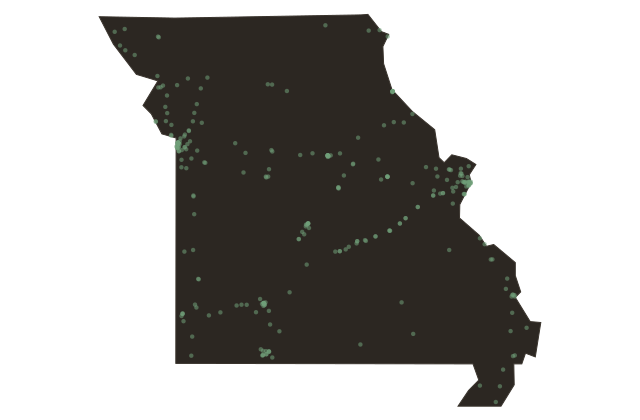
Near Kansas City, Missouri
The Kansas-Nebraska Act of eighteen fifty-four repealed the Missouri Compromise, which had prohibited slavery north of Missouri's southern border, and replaced it with a principle called popular sovereignty: the residents of each new territory would vote on whether to allow slavery. The result was immediate violence. Kansas Territory became the testing ground for a question the country could not answer peacefully, and the people most committed to the question on both sides arrived armed.
From Missouri, pro-slavery men crossed the border to vote illegally in Kansas territorial elections, rigged the results, and established a fraudulent pro-slavery legislature at Lecompton. They were called Border Ruffians in the Kansas press. When the fraudulent legislature passed harsh slave codes, anti-slavery settlers responded by convening their own government at Topeka. Two rival governments existed simultaneously in the same territory. Neither recognized the other.
The violence ran for three years, from eighteen fifty-four through eighteen fifty-seven, and continued at lower intensity until the Civil War subsumed it. The town of Lawrence, Kansas, was sacked by pro-slavery forces in May of eighteen fifty-six. Three days later, the abolitionist John Brown led a party of men who killed five pro-slavery settlers on Pottawatomie Creek. The killings were not random: Brown targeted men he believed had been involved in anti-abolition violence. As many as two hundred people died in the border war before it ended. Newspapers called it Bleeding Kansas, and the name stuck.
Kansas City, on the Missouri side of the border, was a staging ground and a refuge depending on which side of the question you were on. The border that runs through this metropolitan area today was, in the eighteen fifties, a line people died on. It has been a state line ever since.