The Joplin Tornado, May Twenty-Second, Two Thousand Eleven
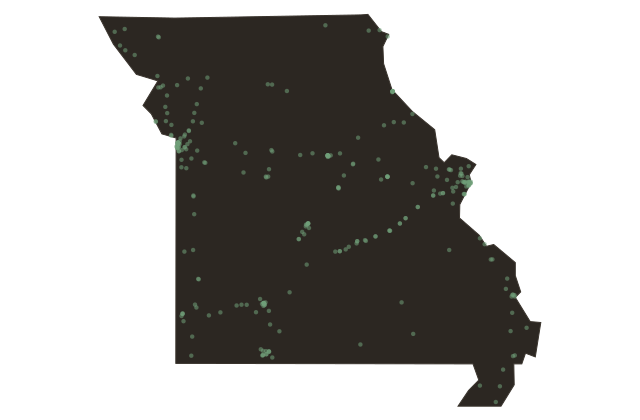
Missouri
On the evening of May twenty-second, two thousand eleven, a tornado touched down just west of Joplin, Missouri and turned south through the city. It was on the ground for thirty-eight minutes. What it did in those thirty-eight minutes was catastrophic on a scale rarely seen in modern American meteorological history.
The storm was rated Enhanced Fujita five, the highest category, with winds that peaked above two hundred miles per hour. At its widest it was nearly a mile across. It crossed six miles of the southern half of Joplin in a corridor of near-total destruction. Saint John's Regional Medical Center, one of the largest buildings in the city, had its roof torn off and its upper floors shredded. The tornado tore vehicles off the street and deposited them blocks away. It stripped trees to bare trunks. It leveled entire neighborhoods down to their foundation slabs.
One hundred sixty-one people died. More than a thousand were injured. Nearly seven thousand five hundred homes were damaged or destroyed. Five hundred fifty-three businesses were damaged or gone. Losses approached three billion dollars. It became the deadliest single tornado in the United States since official records began in nineteen fifty, and the seventh-deadliest in American history overall.
Joplin rebuilt. It rebuilt quickly and in some ways more thoughtfully: new building codes, better warning systems, storm shelters integrated into schools and public buildings. NIST researchers who studied the disaster documented lessons that influenced tornado preparedness standards across the country.
If you are passing through Joplin today, what you see is largely a post-two-thousand-eleven city: rebuilt schools, rebuilt hospital, rebuilt neighborhoods. The trees are the tell. The ones on the tornado's path are shorter than the ones around them. They have had fifteen years to grow back.