The Osage in Missouri: The Nation That Outlasted Everyone
Missouri
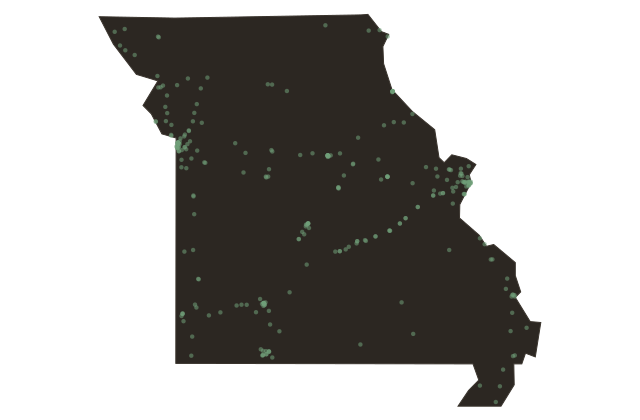
Before the Kansa gave the river its name, before the French traders arrived, before the Town of Kansas was platted, the most powerful nation in the central plains south of the Missouri River was the Osage. They called themselves Ni-U-Ko'n-Ska, Children of the Middle Waters, and at their height in the seventeenth and eighteenth centuries they controlled an enormous territory covering much of what is now Missouri, Arkansas, Kansas, and Oklahoma. They were not a small or peripheral people. European explorers and traders who encountered them described a nation of tall, physically imposing warriors with sophisticated diplomatic customs and a keen sense of what they were worth to anyone who wanted access to the interior of the continent.
The Osage managed European contact with more success than most of their neighbors for a longer period than most histories give them credit for. They absorbed French trade goods into an existing economic system without becoming dependent on any single trade partner. They fought off Iroquois raids from the east, maintained pressure on neighboring peoples to their south, and negotiated with Spanish, French, and American governments as a recognized power rather than as a subject people.
The treaty sequence began after the Louisiana Purchase. The Osage signed agreements in eighteen oh four, eighteen oh eight, eighteen eighteen, and eighteen twenty-five, each ceding territory in Missouri and Kansas, each extracting promises of annuities and protections that came incompletely. By eighteen seventy-two, they had been settled in Indian Territory in what is now northeastern Oklahoma. The Osage Nation is today headquartered in Pawhuska, Oklahoma, where its members hold mineral rights to the oil that was discovered beneath their reservation in the early twentieth century, generating one of the most consequential and most violent episodes of American wealth and dispossession, the Osage Reign of Terror of the nineteen twenties.
That story belongs to another track, in another place. What belongs here is the recognition that the landscape you are driving through was, for centuries, the Osage homeland.