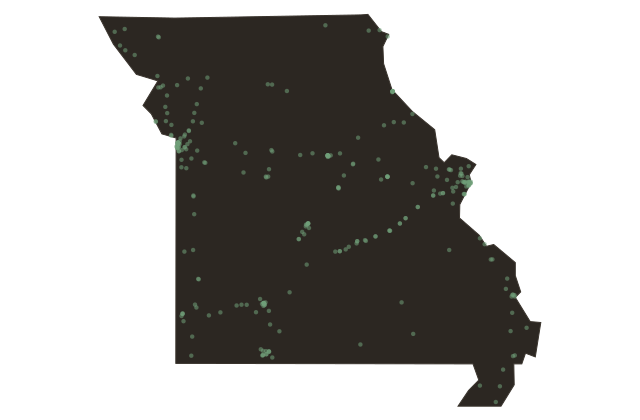
The Trail of Tears Through the Ozarks
Near Springfield, Missouri
In the winter of eighteen thirty-eight and eighteen thirty-nine, several detachments of Cherokee people passed through southwestern Missouri on their way from their homelands in the Carolinas, Georgia, and Tennessee to Indian Territory in what is now Oklahoma. The route they traveled was not one route but many, depending on season, weather, and the decisions of military escorts and Cherokee leaders. Several of the land routes passed through or near what is now the Springfield area.
The conditions were brutal. It was a harshly cold winter. Thousands of Cherokee were already weakened by months in military stockades before the march began.
The detachments moved through Ozark terrain on roads that were poor even in summer. Contemporary accounts describe people dying of cold, of dysentery, of exhaustion, and being buried along the route in graves that have mostly gone unmarked. The Cherokee themselves gave the removal a name in their own language that translates as the trail where they cried.
The English phrase Trail of Tears came later, but the experience it names happened in this landscape. People passed through here in winter darkness, heading away from everything their families had known. Missouri's portion of the Trail of Tears is not always prominently marked.
Several routes have been documented by the National Park Service as part of the Trail of Tears National Historic Trail, and one of the land routes crossed through the Ozarks of southwestern Missouri. If you are driving through this region, particularly in winter, the terrain makes the history legible. The hills slow everything down.
The cold comes in hard. There is no easy way through.