Times Beach: The Town That Had to Die
Missouri
Just outside of Eureka, Missouri, there is a state park on the banks of the Meramec River where you can walk a surviving stretch of old Route Sixty-Six and watch herons work the shallows. Nothing about it looks dangerous today. But the land beneath your feet was once the most contaminated town in the United States, and it took about fifteen years and roughly two hundred million dollars to make it safe enough to stand on.
Times Beach began in nineteen twenty-five as a real estate promotion. The St. Louis Star-Times newspaper offered small lots along the Meramec to subscribers who bought enough papers. Within a few years a community of about two thousand people had built vacation cottages that slowly became year-round homes. The roads were unpaved and dusty, and in nineteen seventy-two the town paid a waste hauler named Russell Bliss twenty-four hundred dollars to oil the streets for dust control.
Bliss ran a legitimate oil-collection business, but he had quietly taken a side contract to dispose of chemical waste from a Verona, Missouri plant that had manufactured hexachlorophene, a compound also used in the production of Agent Orange during the Vietnam War. The waste was saturated with dioxin, one of the most toxic substances known. Bliss blended it into his waste oil and sprayed it on Times Beach's roads from nineteen seventy-two through nineteen seventy-six.
Horses began dying at a nearby stable in nineteen seventy-one. Dozens of animals died, and children who played in the dirt developed rashes, headaches, and nosebleeds. No one connected the dots for nearly a decade. Then in nineteen eighty-two, the EPA began sampling Missouri soil sites. Their results for Times Beach showed dioxin at one hundred parts per billion, one hundred times the threshold considered dangerous.
The very day the EPA finished its soil sampling, the Meramec River flooded and inundated the town. The flood and the poison news hit simultaneously. On December twenty-third, nineteen eighty-two, the federal government declared Times Beach uninhabitable. Over the following months, residents were bought out and relocated under the Superfund emergency program. Two thousand three hundred people lost their town.
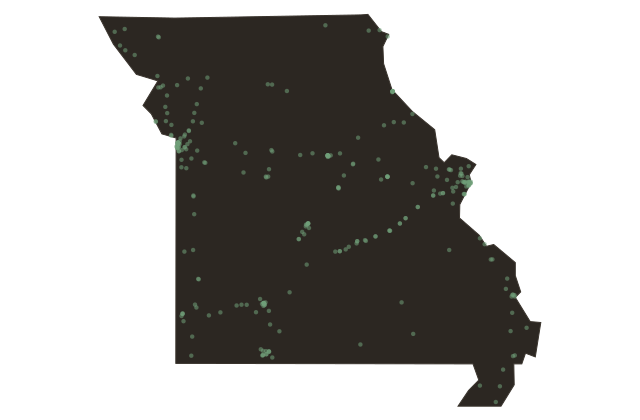
Cleanup took until nineteen ninety-seven. Workers incinerated two hundred sixty-five thousand tons of dioxin-laced soil drawn from Times Beach and twenty-six other Missouri sites. When testing finally showed no remaining contamination, the state of Missouri accepted the land and opened Route Sixty-Six State Park in nineteen ninety-nine. The visitor center sits inside a nineteen thirty-five roadhouse that somehow survived it all.