The Name on the Map
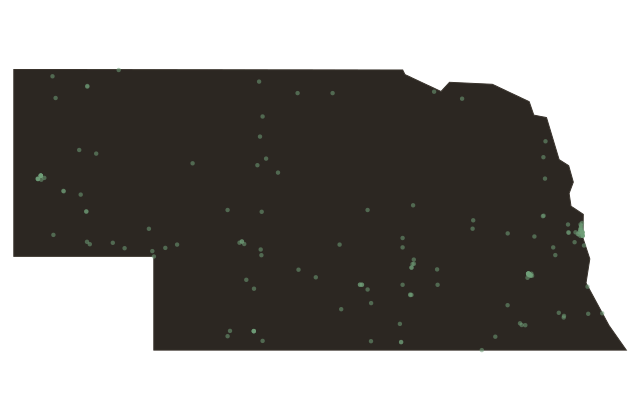
Near Omaha, Nebraska
The city takes its name from a people who were here first. The Omaha tribe migrated to the Missouri River valley from earlier homelands along the Ohio River, probably arriving in the region that became Nebraska sometime in the sixteen hundreds. By the mid-seventeen hundreds they had established permanent earth-lodge villages along the Missouri, growing corn and beans near the riverbanks and ranging west across the plains each summer and fall for buffalo.
Their largest village, called Ton-wa-tonga in their language, which translates roughly as Big Village, was established around seventeen seventy-five in what is now Dakota County, about sixty miles north of where Omaha stands today. They developed extensive trade networks with French Canadian voyageurs who traveled the river. When Lewis and Clark paddled past in eighteen four, the Corps of Discovery stopped to council with Otoe and Missouri leaders a few miles north of the present city.
The name Omaha itself comes from the tribal name Umonhon, a word their own traditions translate as something like those going against the current, or those going upstream, a reference to their migration along the Missouri. In eighteen fifty-four, when the Kansas-Nebraska Act opened Nebraska Territory and speculators from Council Bluffs, Iowa, raced to plat a townsite on the western bank, they called it Omaha City. The tribe whose name they borrowed had already been pushed off most of their ancestral territory by treaty.
Late in eighteen fifty-four, the territorial legislature chose this new city as Nebraska's first capital. It served in that role for thirteen years, until statehood arrived in eighteen sixty-seven and the capital moved south to Lincoln.
The Omaha tribe today maintains a reservation in Thurston County, still in Nebraska, still along the same river.