Lake's Crossing, The Auction That Built a City
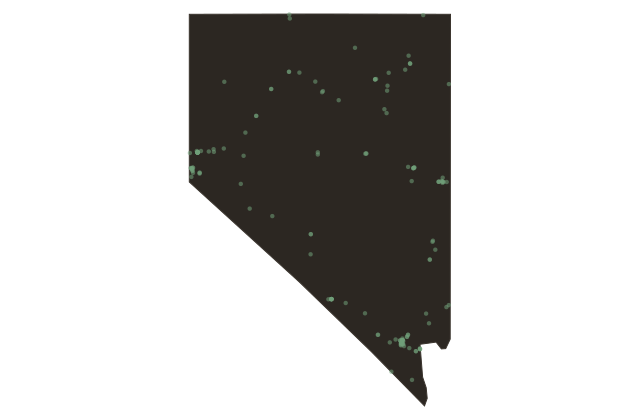
Near Reno, Nevada
On the morning of May ninth, eighteen sixty-eight, men stepped off flatcars onto bare sagebrush flats along the Truckee River and began bidding on plots of land that would not exist as a legal town until the gavel came down. By noon, the tent city of Lake's Crossing had been replaced on paper by a platted municipality. The Central Pacific Railroad had arrived, and it was selling real estate as fast as the auctioneer could shout.
The story begins nine years earlier. In eighteen fifty-nine, a man named Charles Fuller built a toll bridge across the Truckee at a shallow ford the Paiute and Washoe people had long used to cross between the valleys. Two years later, a Honey Lake rancher named Myron Lake bought the bridge, improved it, and operated a hotel and ferry landing alongside it. Emigrants heading west on the Overland Trail stopped here. The site became known as Lake's Crossing.
When the Central Pacific drove its survey stakes east from Sacramento, railroad superintendent Charles Crocker looked at Lake's Crossing and saw exactly what the company needed, a river ford, a supply depot site, and a natural gateway to the Sierra Nevada passes. Crocker negotiated a land deal with Lake and laid out a townsite on the north bank of the Truckee. Then the railroad named it. The community would honor General Jesse Lee Reno, a Union officer killed at the Battle of South Mountain in September eighteen sixty-two, six years before the auction.
On that May morning, buyers bid frantically. Properties changed hands in minutes. The Nevada State Journal would later call it one of the most remarkable single-day real estate transactions in western history. By nightfall, Reno, Nevada, had a name, a railroad depot, and two hundred newly recorded property owners. It was a city of tents with the legal skeleton of a municipality, built around a river crossing that no one had thought to name until a dead general lent it one.