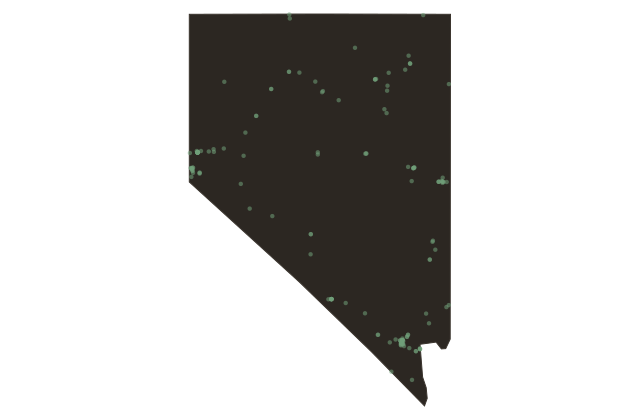
Moapa Band of Paiute: From Coal Ash to Solar Power
Nevada
The Reid Gardner Generating Station, a coal-fired power plant, was built adjacent to the Moapa Band of Paiute's reservation in nineteen sixty-five. The reservation sits in the Moapa Valley along the Muddy River, about sixty miles north of Las Vegas. The plant operated for fifty years. The tribal community that lived next to it documented respiratory illness rates they attributed to the coal ash ponds and air pollution that settled over their land.
The Environmental Protection Agency confirmed air quality violations at the plant in federal records. The tribal council spent years in negotiations and legal proceedings to address the health impacts. The plant eventually closed in two thousand seventeen, after a combination of regulatory pressure, economic changes in the power industry, and sustained advocacy from the Moapa Band and environmental groups.
What happened next is the part of the story that is less common. On the same reservation land where the coal plant had operated, the Moapa Band partnered with developers to build one of the first utility-scale solar energy projects in the American West owned by a tribal government. The project came online and began selling power to the regional grid, making the Moapa Band among the first tribal nations to operate a utility-scale renewable energy facility.
The arc from coal plant neighbor to solar energy producer on the same acreage is the kind of reversal that takes decades and does not happen by accident. It took litigation, organizing, policy change, and the economic shift that made large-scale solar financially viable on desert land. The Moapa Band was ready when the conditions aligned.
The reservation is not a public destination, but the history it holds is part of the larger story of the Mojave Desert, a landscape that has been used for other people's energy needs for most of the twentieth century.