Shot at Dawn, Nuclear Testing and the Downwinders, Nineteen Fifty-One
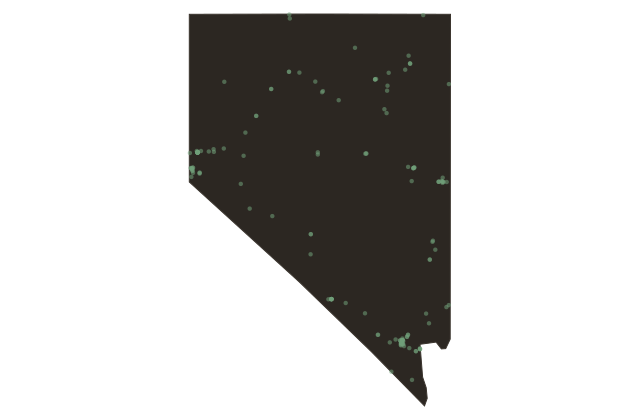
Nevada
On January twenty-seventh, nineteen fifty-one, at five forty-five in the morning, a flash of light turned the Nevada desert to noon. The first above-ground nuclear test at the Nevada Test Site detonated at Frenchman Flat, a dry lake bed sixty-five miles northwest of Las Vegas. The Atomic Energy Commission called the blast Operation Ranger.
The wind blew the fallout east, across Nevada, across southern Utah, into Arizona. Over the next eleven years, the federal government detonated one hundred atmospheric tests at the Nevada site. One hundred fifty million curies of radioactive material entered the atmosphere.
In the years nineteen fifty-two, fifty-three, fifty-five, and fifty-seven, fallout deposits were heavy enough across the downwind communities to produce, by later federal estimates, between ten thousand and seventy-five thousand cases of thyroid cancer. Residents of Nevada, Utah, and Arizona living in the path of the fallout were told the tests were safe. The Atomic Energy Commission published reassuring pamphlets.
Local officials cooperated. People in the small towns of southern Utah, Cedar City, Saint George, Kanab, drove to hilltops to watch the dawn tests and felt the shock waves roll through their chests. They called it the light.
Their children began getting leukemia in clusters in the late nineteen fifties. Decades later, the government acknowledged what it had known and concealed. The Radiation Exposure Compensation Act, signed into law in nineteen ninety, provided tiered compensation for workers and downwind residents.
The payments were modest relative to the harm. Many families received them after the person they were meant to compensate had already died. The Nevada Test Site is now called the Nevada National Security Site.
It covers one thousand three hundred seventy square miles of desert, larger than Rhode Island. Testing stopped in nineteen ninety-two. The isotopes do not keep schedules.