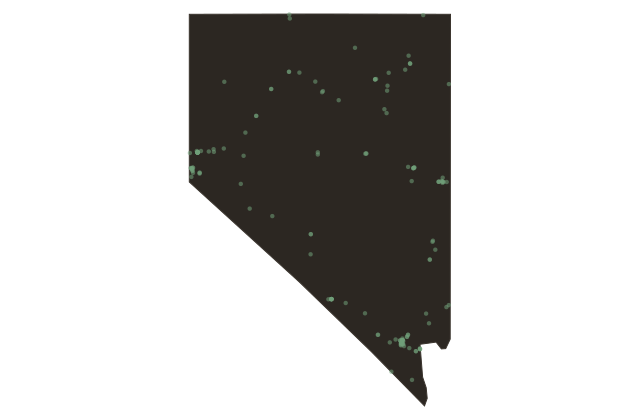
The Dann Sisters, Ranching as Resistance
Nevada
In the spring of nineteen seventy-three, a man from the Bureau of Land Management came to the Crescent Valley ranch of Mary and Carrie Dann and asked them to apply for grazing permits. The sisters declined. Their cattle, they said, grazed on Western Shoshone land under the Treaty of Ruby Valley. Federal grazing rules did not apply.
The Bureau of Land Management sued them for trespass the following year.
What followed was the longest-running Indigenous land-rights case in Nevada history. Mary was born in nineteen twenty-three, Carrie in nineteen thirty-two; they were ranchers who had grown up on the land, and their refusal was not a legal strategy so first but a description of how they understood the world. The land was Newe. The treaty said it was Newe. That was their position, and they held it for the rest of their lives.
The case reached the United States Supreme Court in nineteen eighty-five, in a case styled United States versus Dann. The Court ruled against the sisters, finding that the nineteen seventy-nine Indian Claims Commission payment to the Western Shoshone, even though the Shoshone had refused it, counted as an extinguishment of their aboriginal title. The sisters kept ranching and kept refusing the permits.
In two thousand three, the Bureau of Land Management rounded up most of the Dann sisters' cattle, more than two hundred head, citing unpaid grazing fees and trespass penalties accumulating over thirty years. The seizure drew international attention. The United Nations Committee on the Elimination of Racial Discrimination sent a letter to the United States expressing concern about the federal government's treatment of the Western Shoshone. In nineteen ninety-three, before the cattle roundup, both sisters had been awarded the Right Livelihood Award, sometimes called the alternative Nobel Prize, for their resistance.
Mary Dann died on April twenty-second, two thousand five, in an accident on her ranch. Carrie Dann died on January first, two thousand twenty-one. The land they ranched on remains federal. The settlement money the Shoshone refused remains in a federal account. No marker on this road names them.